Iran is preparing to announce a restricted maritime zone outside the Strait of Hormuz in the coming days as tensions continue to escalate between Tehran and Washington, according to Mohsen Rezaei, Secretary of Iran’s Supreme National Security Council.
Rezaei said vessels seeking to pass through the designated zone would be required to coordinate with Tehran before attempting the journey. He warned that any vessel that enters the area without prior coordination could be placed on Iran’s sanctions list, potentially affecting its insurance arrangements and ability to use the strategic waterway in the future.
Speaking to Iran’s state broadcaster, IRIB TV, Rezaei described the proposed maritime zone as extending from the point where the alleged US naval blockade begins, through the Strait of Hormuz and into the Persian Gulf on the opposite side.
He presented the proposed measure as part of what he described as a broader change in Iran’s strategy, combining military pressure with diplomatic engagement in an effort to increase pressure on the United States.
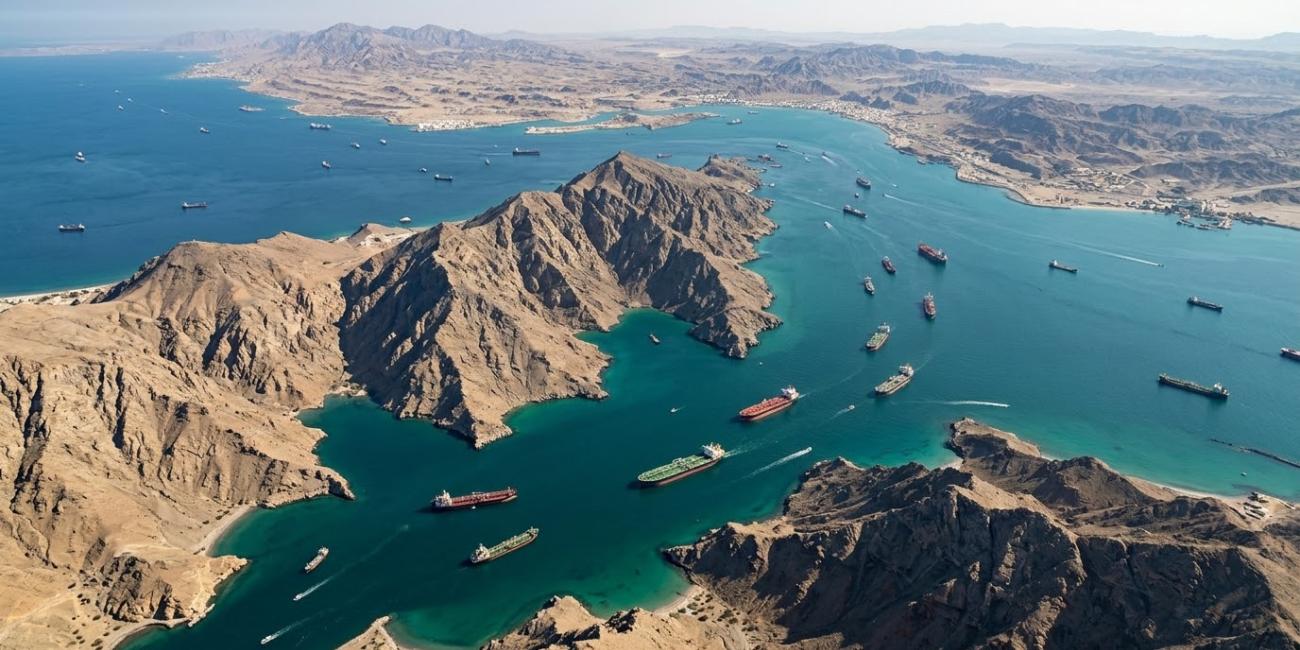
The announcement comes amid a growing confrontation over the Strait of Hormuz, one of the world’s most strategically important maritime routes and a crucial passage for global energy supplies.
Rezaei insisted that the Strait of Hormuz remained completely closed, rejecting claims from Washington that commercial ships and oil tankers continued to transit the waterway.
According to him, reports that vessels were freely passing through the strait were inaccurate.
He alleged that some ships had attempted to bypass Iran’s restrictions by using a route close to Oman. Some vessels, he claimed, had switched off their navigation systems in an effort to avoid detection.
Rezaei further claimed that Iranian forces had intercepted or struck most of the vessels attempting to make the passage. However, he said Tehran was deliberately avoiding sinking the vessels for the time being because of concerns about the potential environmental consequences.
The Iranian official did not provide independent evidence during the interview to substantiate the claims concerning the number of vessels allegedly intercepted or struck.
Rezaei also made a significant claim concerning Iran’s military capabilities, saying the country had recently test-fired a domestically produced anti-destroyer missile in the vicinity of a US aircraft carrier.
He said the test took place approximately 48 hours before the interview and described it as evidence that American naval forces operating in the region were vulnerable.
According to Rezaei, the missile test caused confusion and disruption among US forces and prompted them to retreat.
The claim, however, could not be independently verified from the information provided.
The development adds another dimension to the already tense military confrontation between Iran and the United States. Any direct confrontation involving American naval forces and Iranian missile systems in or around the Strait of Hormuz could have significant consequences for regional security and international shipping.
Rezaei maintained that Iran would continue to restrict passage through the strait until Washington took what Tehran considers concrete steps to fulfil its commitments under a peace-related memorandum of understanding reportedly signed by Iran and the United States in June.
He did not provide extensive details about the specific provisions of the memorandum during the interview but indicated that Tehran regarded compliance with the agreement as a condition for reopening the waterway.
The Iranian official also disclosed that Tehran and Muscat were expected to announce a new international maritime corridor for vessels seeking to pass through the Strait of Hormuz.
According to Rezaei, the proposed corridor would be managed by Iran, suggesting that Tehran intends to retain significant control over the movement of vessels through the strategically important passage even if an alternative international arrangement is established.
Oman could play an important role in any effort to reduce tensions because of its geographical position and its historical role in facilitating dialogue between Iran and Western countries.
The Strait of Hormuz is particularly important to the global economy because it connects the Persian Gulf with the Gulf of Oman and the wider Arabian Sea. Large volumes of crude oil and petroleum products pass through the waterway, making any prolonged disruption potentially significant for international energy markets and shipping.
The current crisis reportedly followed US-Israeli strikes on Iran on February 28. Following the attacks, Tehran imposed restrictions on passage through the Strait of Hormuz, while the United States established a naval blockade targeting vessels travelling to and from Iranian ports and coastal areas.
The confrontation has since raised concerns over the potential impact on regional stability, international shipping and global energy supplies.
Iran has repeatedly demonstrated its ability to exert pressure around the Strait of Hormuz, while the United States maintains substantial naval capabilities in the wider Gulf region. Any escalation between the two sides could therefore carry consequences well beyond their immediate military confrontation.
The proposed restricted maritime zone would represent a further attempt by Tehran to formalise its control over maritime movement in waters surrounding the strait. Requiring vessels to coordinate with Iranian authorities before passage could create additional uncertainty for shipping companies, insurers and energy traders.
The threat of sanctions could also increase the commercial risks associated with attempting to bypass Iran’s restrictions.
For Washington, however, Iran’s claims of control over the strait and its surrounding waters are likely to remain highly contentious. The United States has historically regarded freedom of navigation and the uninterrupted movement of commercial shipping through international waterways as important strategic interests.
As both sides continue to combine military posturing with diplomatic messages, the future of the Strait of Hormuz remains uncertain.
Rezaei’s latest comments indicate that Tehran is seeking to use control of the strategic waterway as both a military and diplomatic instrument. Whether the proposed maritime zone, the planned corridor with Oman and ongoing negotiations can reduce tensions or instead deepen the confrontation will depend largely on the actions of both Tehran and Washington in the days ahead.
For global energy markets and international shipping companies, any prolonged restriction on the waterway could remain a major source of concern, particularly if the confrontation develops into a wider regional crisis.