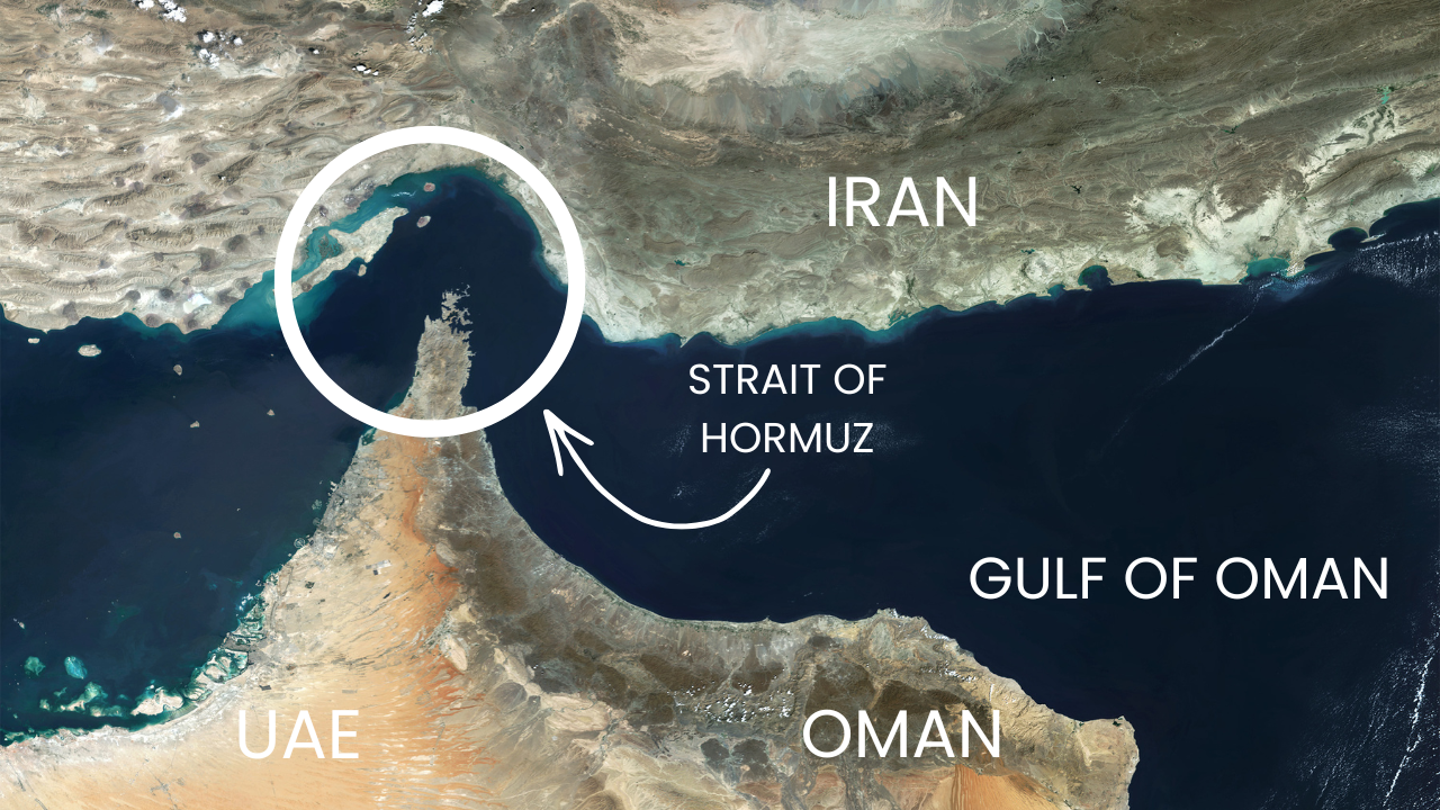
Iran’s military has once again declared the closure of the Strait of Hormuz, reversing an earlier reopening and injecting fresh uncertainty into global energy markets and ongoing diplomatic efforts to end the conflict involving the United States and Israel.
The latest development, announced on Saturday by Iran’s military command and broadcast on state television, came just hours after the critical maritime corridor had briefly reopened, allowing more than a dozen commercial vessels to transit through the narrow but vital passage.
The back-and-forth decision has cast doubt on the optimism expressed by Donald Trump, who had earlier suggested that a peace agreement to end the ongoing conflict was “very close.”
The Strait of Hormuz, a key chokepoint for global energy supplies, typically handles nearly one-fifth of the world’s oil and liquefied natural gas shipments. Its temporary reopening on Friday had sparked relief across international markets, leading to a drop in oil prices and renewed confidence among traders.
That reopening followed a ceasefire agreement reached in Lebanon aimed at halting hostilities between Israel and Hezbollah, raising hopes that broader de-escalation in the region could follow.
However, the situation quickly deteriorated after Washington signalled that its naval blockade of Iranian ports would remain in place until a comprehensive agreement was secured. In response, Tehran issued fresh threats to shut down the strait again, a move it has now carried out.
In its latest statement, Iranian military authorities said the waterway had returned to “strict management and control” by the armed forces, framing the action as a direct response to what it described as continued pressure and restrictions imposed by the United States.
Despite the renewed closure, maritime tracking data indicated that several vessels attempted to pass through the strait during the brief window of access. Ships were reportedly instructed to navigate close to Iranian territorial waters, with some broadcasting identifiers suggesting links to neutral countries such as India and China, likely in a bid to avoid confrontation.
By mid-morning on Saturday, at least eight oil and gas tankers had successfully crossed the strait, while a similar number appeared to have turned back after initially attempting to exit the Gulf, highlighting the uncertainty facing global shipping operations.
The renewed closure comes as the region approaches the final days of a fragile two-week ceasefire in the conflict between Iran and the United States and its ally Israel. The truce, initiated following intense hostilities that began on February 28, is due to expire in just four days.
Despite the tensions, President Trump has maintained a confident tone regarding the prospects of a peace deal. On Friday, he described developments as “great and brilliant,” while also commending mediation efforts led by Pakistan.
Pakistan has emerged as a central diplomatic actor in the crisis. Asim Munir, the country’s military chief, concluded a three-day visit to Iran on Saturday, where he held high-level meetings aimed at advancing negotiations.
At the same time, Pakistani Prime Minister Shehbaz Sharif undertook a series of visits to key regional players, including Saudi Arabia, Qatar, and Turkey, in an effort to build consensus and support for a peace framework.
Other nations have also been actively involved in mediation efforts. Egypt, for instance, expressed optimism that a final agreement could be reached soon, with Foreign Minister Badr Abdelatty stating that Cairo and Islamabad were working toward securing a deal “in the coming days.”
Recent diplomatic engagements included a marathon round of direct peace talks held in Islamabad, attended by senior officials including U.S. Vice President JD Vance. A second round of negotiations is expected to take place in the Pakistani capital in the coming week.
The conflict itself was triggered by a series of coordinated attacks launched by the United States and Israel on February 28, despite ongoing diplomatic contacts with Tehran at the time. The strikes reportedly resulted in the death of Iran’s Supreme Leader, Ali Khamenei, along with several senior officials.
The violence quickly escalated into a broader regional confrontation, with Iran targeting U.S. interests in the Gulf and Hezbollah opening a second front by launching rockets into Israel from Lebanon.
While the ceasefire has largely held, there are indications of cautious normalisation in some areas. Iran’s civil aviation authority announced that its airspace has reopened for international transit flights, particularly through the eastern corridor of the country.
However, major unresolved issues continue to threaten the fragile peace process. Chief among these are disagreements over Iran’s stockpile of highly enriched uranium and the future status of the Strait of Hormuz.
President Trump has claimed that Iran had agreed to relinquish its stockpile of uranium enriched to near weapons-grade levels, estimated at around 440 kilogrammes. He suggested that the material would be removed as part of a broader agreement.
But Iranian officials have firmly rejected this claim. Esmaeil Baqaei, a spokesperson for Iran’s foreign ministry, stated that the country’s enriched uranium would not be transferred under any circumstances.
“Iran’s enriched uranium is not going anywhere,” he said, adding that such an arrangement had never been part of the negotiations.
Meanwhile, conditions within Iran remain tense. Access to the global internet has been severely restricted since the onset of the conflict, with monitoring group NetBlocks reporting that the blackout has now lasted 50 days.
As diplomatic efforts continue, the fluctuating status of the Strait of Hormuz underscores the volatility of the situation and its potential global impact. With energy markets on edge and negotiations entering a critical phase, the coming days are expected to be decisive in determining whether a lasting resolution can be achieved or whether the region will slide back into deeper conflict.