A 45-year-old American man has been taken into custody after allegedly making a series of violent threats against former U.S. President Donald Trump, in a case that highlights growing concerns over the dangers of online extremism and political hostility.
The suspect, identified as Andrew Emerald, is accused of posting multiple messages on social media in 2025 in which he allegedly threatened to harm and kill Trump. According to a statement released by the United States Department of Justice, investigators traced at least eight separate posts containing explicit threats.
One of the most alarming messages, reportedly written in May 2025, suggested a chilling ultimatum. In it, Emerald allegedly declared that either Trump would be “dead and in the ground by 2026” or that he himself would take action to make that happen. Authorities say the language used in the posts raised immediate red flags due to its specificity and intensity.
In another message posted later that same month, the suspect is said to have escalated his threats, this time targeting Trump’s well-known Florida residence, Mar-a-Lago. The post reportedly included explicit language and a vow to attack the property, further deepening concerns among law enforcement agencies monitoring potential threats to public figures.
The case took a dramatic turn when agents from the Federal Bureau of Investigation moved to execute an arrest warrant at Emerald’s home in Massachusetts. According to court documents, the situation quickly became tense. Emerald allegedly refused to come out of the house and appeared to arm himself with what authorities described as a long metal sword.
Investigators say he warned officers that they would have to shoot him, creating a potentially volatile standoff. For a period, the situation hung in the balance, raising fears of a violent confrontation. However, the outcome ultimately shifted after the intervention of a trained crisis negotiator and a local police officer, who managed to de-escalate the situation.
After sustained dialogue and persuasion, Emerald eventually exited the residence peacefully and was taken into custody without further incident. Law enforcement officials later confirmed that no injuries were recorded during the operation.
In the aftermath of the arrest, the FBI released images showing several swords and bladed weapons allegedly recovered from inside the suspect’s home. The discovery of these items has added another layer of concern to the case, particularly given the nature of the threats he is accused of making online.
Authorities also cited a separate social media post in which Emerald allegedly stated that he planned to travel to Washington, D.C., armed with a sword, with the intention of attacking Trump and others he described as “domestic terrorists.” Investigators say such statements played a key role in building the case against him, as they suggested not only intent but also a potential plan of action.
This is not the first time Emerald has come to the attention of law enforcement. According to court filings, he was previously questioned in 2018, during Trump’s first term as president, over a separate alleged threat involving a firearm. While no charges were filed at that time, the earlier incident has now resurfaced as part of the broader investigation into his conduct.
Emerald was formally arrested following an indictment issued on March 19. He now faces eight counts of interstate transmission of threatening communications—a federal offence that carries a maximum penalty of up to five years in prison per count if he is convicted.
The case is one of several recent incidents involving threats against Trump circulated through social media platforms. In March, for example, a man from Virginia was sentenced to more than two years in prison for making similar online threats against the former president.
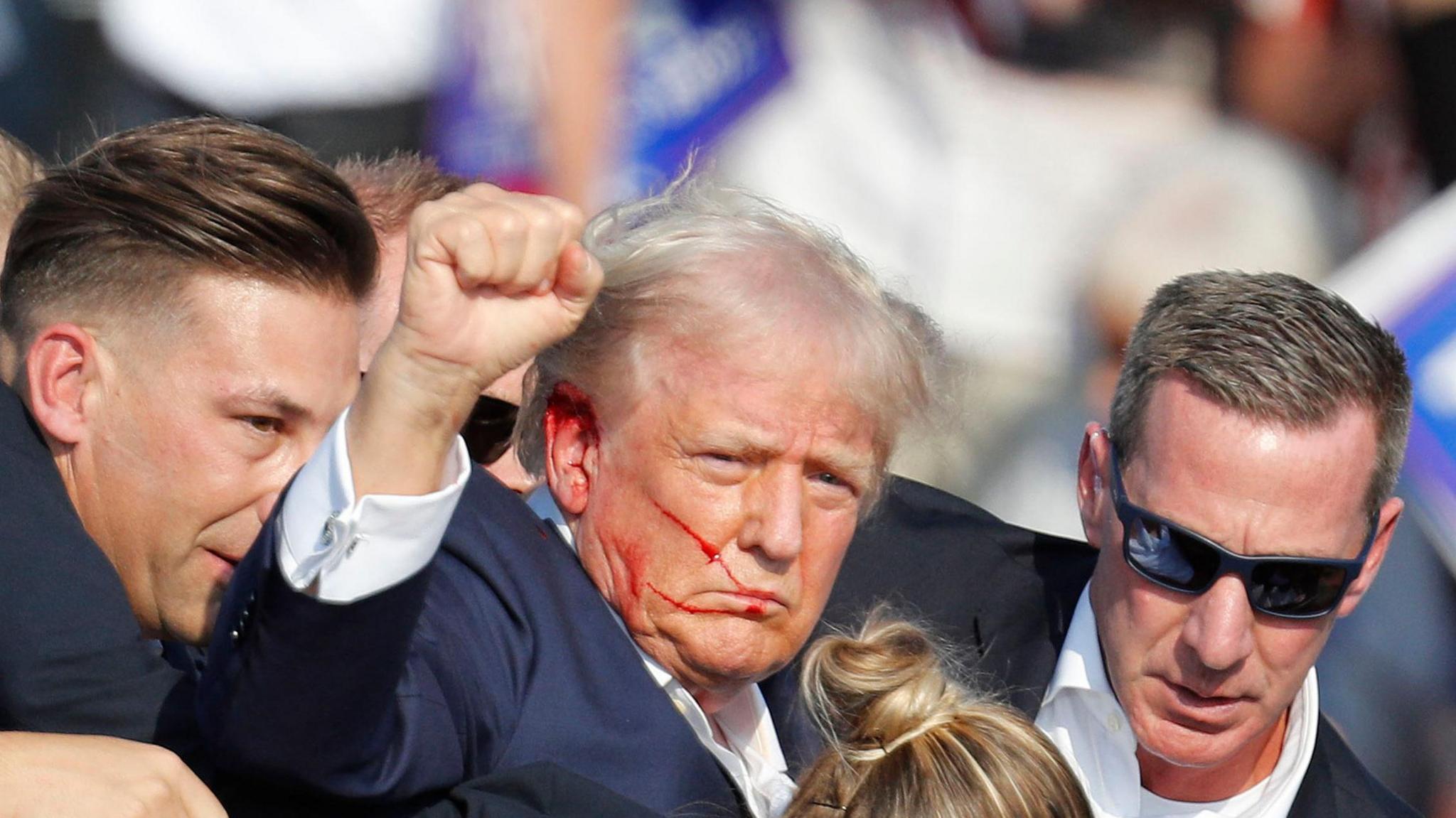
Security concerns surrounding Trump have remained high, particularly following an assassination attempt in July 2024. During a campaign rally in Pennsylvania, a gunman opened fire, grazing Trump with a bullet in what authorities later described as a narrowly averted tragedy. That incident significantly heightened vigilance among security agencies tasked with protecting current and former national leaders.
Experts say the Emerald case underscores the complex challenges posed by digital communication in an era of heightened political polarization. While social media platforms provide space for free expression, they also create avenues for individuals to issue threats that can quickly escalate into real-world dangers.
Law enforcement agencies have increasingly relied on digital monitoring and intelligence gathering to identify potential risks before they materialize. In this case, officials say early detection of the threatening messages allowed them to intervene before any alleged plans could be carried out.
At the same time, the incident raises broader questions about mental health, online behavior, and the thresholds at which speech becomes a criminal act. Authorities must often balance the protection of free speech with the need to prevent credible threats to public safety—a task that has become more complicated in the digital age.
For now, Emerald remains in federal custody as legal proceedings move forward. Prosecutors are expected to present evidence from his social media activity, along with materials recovered from his home, to support the charges against him.
As the case unfolds, it serves as a stark reminder of the real-world consequences that can arise from online threats—and the increasing urgency with which authorities are treating such cases in today’s volatile political climate.