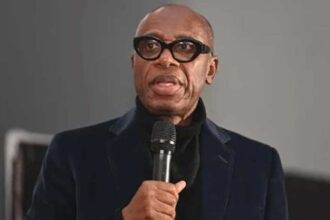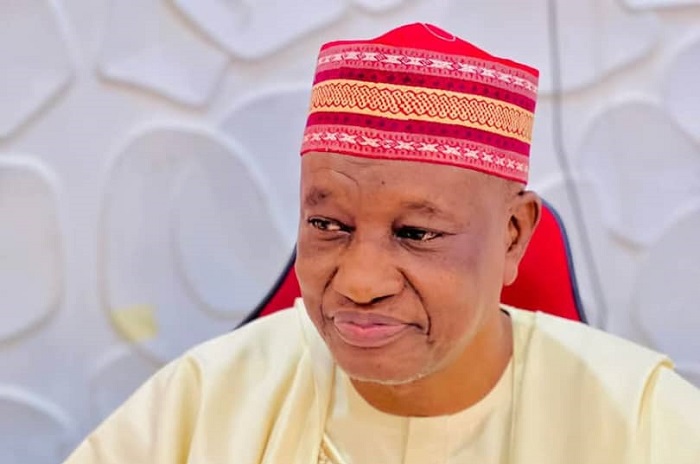
The Deputy Governor of Kano State, Abdulsalam Gwarzo, is said to have stepped down from his position, according to a statement released by the Kwankwasiyya Movement. However, as of the time of this report, the Kano State Government has not issued any official confirmation or response regarding the development.
The announcement, which has generated considerable political attention, was contained in a statement signed by the movement’s spokesperson, Habibu Sale Mohammed. In the statement, the group indicated that the deputy governor’s decision to resign followed what it described as “careful consideration” and was taken primarily in the interest of maintaining political stability and continuity in governance within the state.
According to the statement, the circumstances surrounding the office had increasingly made it difficult for Gwarzo to effectively discharge the full range of his responsibilities as deputy governor. While the details of these constraints were not elaborated upon, the movement suggested that the decision was necessary to prevent further strain on the administration.
“This decision, though difficult, has been taken in the overall interest of the people and the stability of governance in Kano State,” the statement read, portraying the resignation as a strategic move rather than a forced exit.
The reported resignation comes on the heels of allegations reportedly levelled against the deputy governor by the Kano State House of Assembly. Although the nature of the allegations has not been fully disclosed in the statement, the timing has fueled speculation about possible political and institutional tensions within the state’s leadership structure.
Despite these developments, the Kwankwasiyya Movement was quick to emphasize that Gwarzo’s decision to step aside should not be interpreted as an admission of guilt or wrongdoing. The group maintained that the deputy governor continues to assert his innocence and stands by his record in public office.
“The Deputy Governor maintains his innocence and firmly believes that his records in office and public service remain a testament to his integrity and commitment to the people,” the statement added.
Observers note that such clarifications are often made in politically sensitive situations to manage public perception and protect the reputation of individuals involved, especially when investigations or legislative actions are ongoing.
Beyond the immediate implications of his resignation, the statement also hinted at Gwarzo’s next steps. According to the movement, he intends to redirect his focus toward strengthening the Kwankwasiyya Movement, a political platform with significant influence in Kano State and parts of northern Nigeria.
The group disclosed that his future efforts would be centered on internal restructuring, strategic planning, and mobilization ahead of the 2027 general elections. This suggests that while he may be stepping away from executive office, Gwarzo is not withdrawing from politics altogether. Instead, he appears poised to remain active behind the scenes, contributing to political organization and long-term planning.
Political analysts view this as a calculated repositioning, particularly within the context of Nigeria’s evolving political landscape. The Kwankwasiyya Movement, which has historically played a major role in Kano politics, is expected to remain a key player in upcoming electoral contests, making Gwarzo’s involvement potentially significant.
At the same time, the absence of an official statement from the Kano State Government raises questions about the formal status of the resignation. In Nigeria’s constitutional framework, the resignation of a deputy governor typically requires formal communication and acknowledgment by the appropriate state authorities. Until such confirmation is issued, uncertainty may persist regarding the legal and administrative implications of the announcement.
The silence from government officials has also left room for speculation about possible behind-the-scenes negotiations or efforts to manage the situation internally. It remains unclear whether the resignation has been formally submitted, accepted, or processed through official channels.
For residents of Kano State, the development introduces a degree of political uncertainty, particularly in terms of succession and continuity within the executive arm of government. Should the resignation be confirmed, the state would need to initiate constitutional procedures to fill the vacancy, which could involve nomination and approval processes within the state legislature.
More broadly, the situation reflects the complex interplay between political movements, government institutions, and individual officeholders in Nigeria’s democratic system. It highlights how internal party dynamics and legislative pressures can shape leadership outcomes, sometimes outside formal government communication channels.
As events continue to unfold, attention will likely remain focused on the Kano State Government for an official position that clarifies the status of the deputy governor and outlines the next steps. Until then, the reported resignation of Abdulsalam Gwarzo remains a developing story, with potential implications for both governance and political alignments in the state.
For now, the narrative presented by the Kwankwasiyya Movement frames the decision as one driven by responsibility, stability, and long-term political strategy—though the full picture may only emerge once official confirmations and further details are made public.