At least one person has been confirmed dead and four others injured following a wave of missile attacks launched by Iran on parts of Israel, with areas around Tel Aviv among the hardest hit.
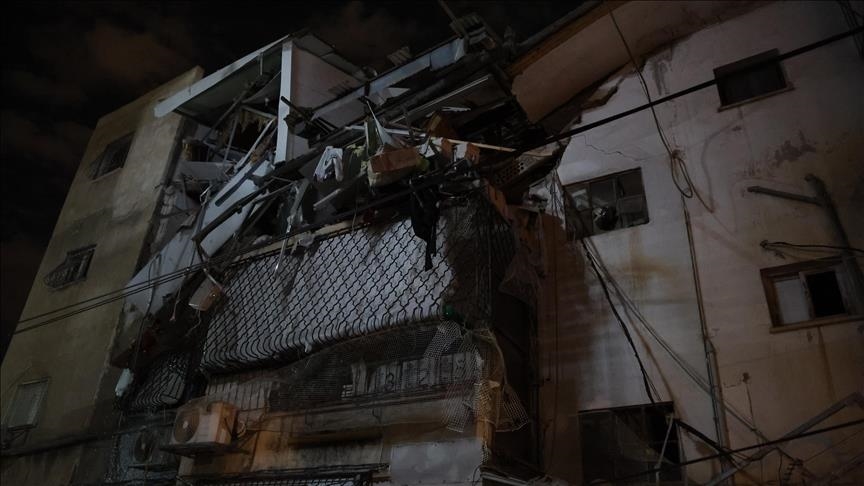
According to Israel’s national emergency service, Magen David Adom, the fatality occurred in the Gush Dan region, widely referred to as Greater Tel Aviv. The agency said the attacks caused significant disruption, with missile fragments and shrapnel from what was described as a multi-warhead missile striking several locations across the metropolitan area.
Emergency responders were quickly deployed to affected zones, including Tel Aviv, Ramat Gan, and Givatayim, where search and rescue operations were launched to assist victims and assess the extent of the damage.
Authorities confirmed that two people sustained injuries in central Israel, while two others were seriously wounded in Beersheba. The injured victims in the southern city were transported to Soroka Hospital for urgent medical treatment.
Local media reports indicated that missile debris impacted at least ten different locations around the Tel Aviv area, damaging buildings and infrastructure. Eyewitnesses described scenes of panic as explosions were heard and sirens wailed across multiple cities.
The Israeli military confirmed that it had detected missile launches from Iran and activated its air defence systems in response. According to officials, the attacks unfolded in rapid succession, with strikes first targeting southern Israel before extending to central regions within a short timeframe.
Air raid sirens were initially triggered in the Negev region and later spread across central Israel, including Tel Aviv. Alerts were also reported in East Jerusalem and parts of the West Bank, reflecting the wide geographic scope of the attack.
Search and rescue teams were dispatched to multiple sites where missile fragments were believed to have landed. Authorities urged residents to remain in shelters as emergency operations continued.
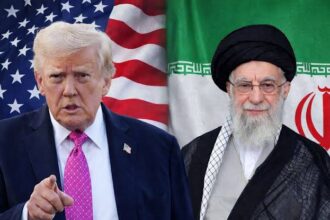
The strikes are part of an ongoing escalation between Iran and Israel, with Tehran launching retaliatory attacks following earlier U.S.-Israeli strikes on key Iranian facilities. These included steel plants in Isfahan and Khuzestan, as well as the Hendab Heavy Water Complex in Arak.
Roughly two hours after the initial barrage, another round of missiles was fired toward southern Israel. However, in a subsequent update, Magen David Adom said no casualties or direct impacts were recorded in that second wave, despite sirens sounding across a wide area stretching from the West Bank to regions near the Gaza border.
The broader conflict has seen Iran deploy both drones and missiles across multiple fronts, targeting not only Israel but also locations in Jordan, Iraq, and Gulf countries hosting U.S. military assets. These strikes have resulted in casualties, infrastructure damage, and growing instability across the region.
Beyond the immediate human toll, the escalation is also having wider global consequences. Disruptions to aviation routes, heightened security risks, and volatility in energy markets are among the ripple effects being felt internationally.
As tensions continue to rise, both sides appear to be bracing for further confrontation, raising concerns among global observers about the risk of a prolonged and more destructive regional conflict.