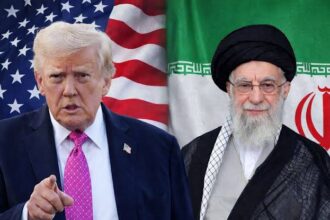
Amid rising geopolitical tensions in the Middle East, new concerns are emerging over a largely invisible but critically important layer of global infrastructure—the vast network of undersea internet cables that power modern communication. Reports that Iran has threatened to target these cables in strategic waterways such as the Strait of Hormuz and the Red Sea have triggered alarm among security analysts, economists, and technology experts worldwide.
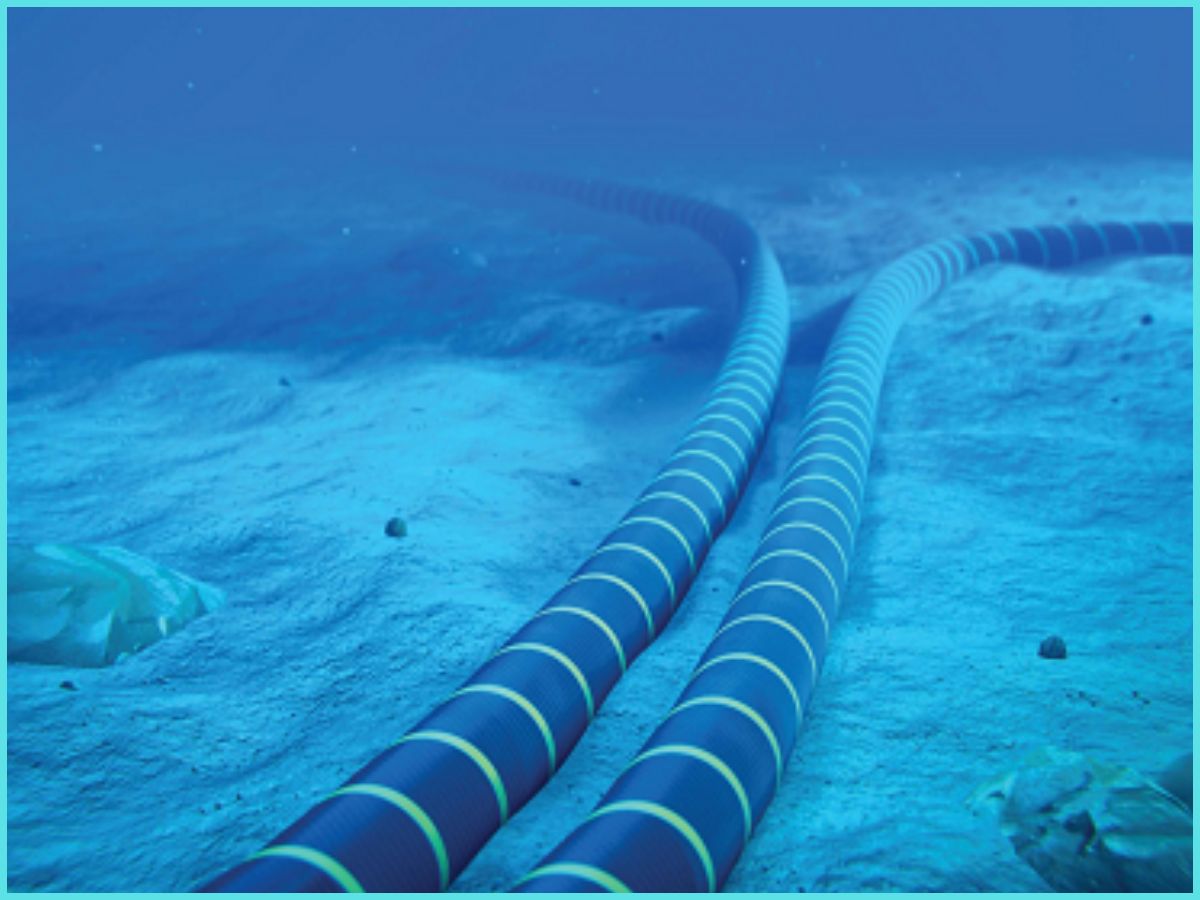
Beneath the ocean floor lies a complex web of fibre-optic cables that carry the overwhelming majority of global data traffic. Despite the common perception of the internet as a wireless or cloud-based system, experts estimate that between 95 and 97 percent of all international data—ranging from emails and financial transactions to military communications—travels through these submarine cables. (abhs.in — Abhishek Gautam)
This makes them one of the most critical yet vulnerable components of the global digital economy.
The Strait of Hormuz, already known as one of the world’s most important oil chokepoints, is also a major corridor for these cables. Running through the narrow waterway are several high-capacity data خطوط linking Europe, Asia, and the Middle East. Similarly, the Red Sea hosts a dense concentration of cables that connect continents and support everything from global banking systems to cloud computing infrastructure.
As tensions escalate between Iran, the United States, and Israel, these strategic routes are increasingly being viewed not just as economic lifelines, but as potential targets in modern warfare.
The threat is particularly concerning because undersea cables are both physically fragile and logistically difficult to repair. Unlike satellites, which can be repositioned or replaced relatively quickly, repairing a damaged submarine cable requires specialized ships, calm weather conditions, and safe access to the affected zone. In a conflict area, such repairs could be delayed for weeks—or even months—prolonging disruptions.
Experts warn that even a limited attack could have far-reaching consequences. A single cable cut might not bring down the global internet, as networks are designed with some redundancy. However, in chokepoints like the Strait of Hormuz or the Red Sea—where multiple cables are clustered closely together—the risk is significantly higher. Damage to several cables at once could overwhelm alternative routes, leading to widespread outages, slower connectivity, and major disruptions to digital services.
Previous incidents have already demonstrated how vulnerable these systems can be. In 2024, for instance, damage to vessels in the Red Sea led to anchors dragging across the seabed, severing multiple cables and disrupting internet services across parts of Africa and Asia. (TeleGeography Resources)
Such incidents, even when accidental, offer a glimpse into what a deliberate attack might cause.
The implications of a major disruption go far beyond slower internet speeds. Modern financial systems rely heavily on real-time data transmission. Global banking networks, stock exchanges, payment platforms, and cryptocurrency systems all depend on the seamless flow of information across continents.
A significant outage in undersea cables could delay transactions, disrupt trading, and create instability in financial markets. In extreme scenarios, it could even trigger panic among investors and consumers, particularly if communication systems are affected simultaneously.
Telecommunications would also be severely impacted. From international phone calls to video conferencing and cloud services, much of the world’s daily communication relies on these cables. Businesses that depend on cross-border data—such as outsourcing firms, tech companies, and logistics providers—could face immediate operational challenges.
Even governments and military operations could be affected. A substantial portion of military communications, particularly those involving international coordination, also runs through undersea cable networks. Any disruption could complicate response strategies and weaken situational awareness during an already volatile conflict.
The growing focus on undersea infrastructure highlights a shift in how modern conflicts are fought. Traditionally, warfare has targeted visible assets such as military bases, ships, and airfields. Today, however, the battlefield increasingly includes digital and infrastructural targets—systems that are essential to both civilian life and national security.
Analysts note that undersea cables present a unique strategic advantage: they are difficult to monitor continuously, spread across vast ocean areas, and often lack the same level of protection as land-based infrastructure. While some cables are buried beneath the seabed, many lie exposed, making them susceptible to damage from anchors, fishing equipment, or deliberate sabotage.
In the context of the ongoing Middle East crisis, threats to these cables are part of a broader pattern of escalating tactics. Maritime routes in both the Strait of Hormuz and the Red Sea have already faced disruptions linked to regional tensions, with shipping and energy supplies affected.
Now, the potential targeting of digital infrastructure adds a new and potentially more far-reaching dimension to the conflict.
Despite the risks, some experts caution that a complete global internet collapse remains unlikely. The network is designed with redundancy, meaning data can often be rerouted through alternative cables or even satellite links. However, such rerouting comes with limitations, including reduced speeds, higher latency, and increased costs.
Regions that rely heavily on specific cable routes—such as parts of Africa, the Middle East, and South Asia—would likely feel the impact most severely. For instance, a significant portion of internet traffic between Europe and Asia passes through these contested waters, making them particularly vulnerable.
There is also growing concern about the economic ripple effects. In an interconnected global economy, disruptions in communication can quickly translate into supply chain delays, reduced productivity, and financial losses. Combined with existing pressures from rising oil prices and geopolitical instability, any additional shock to the digital infrastructure could compound global economic challenges.
The situation has prompted calls for stronger protection and diversification of undersea cable networks. Some experts advocate for increased investment in alternative routes, including land-based fibre connections and satellite systems. Others emphasize the need for international cooperation to safeguard critical infrastructure in conflict zones.
However, implementing such measures is complex and costly. Building new cables takes years and requires coordination across multiple jurisdictions. In the short term, the world remains heavily dependent on the existing network—and vulnerable to disruptions.
As tensions in the Middle East continue to evolve, the focus on undersea cables serves as a reminder of how deeply interconnected the modern world has become. What happens beneath the ocean’s surface, often out of sight and out of mind, can have immediate and profound consequences for economies, governments, and everyday life.
For now, the threat remains largely hypothetical. But as geopolitical rivalries intensify and warfare increasingly extends into new domains, the cables that quietly carry the world’s data may become one of the most critical—and contested—frontiers of all.