Tensions across the Middle East have deepened following reports surrounding the loss of a United States Air Force refueling aircraft during ongoing military operations in Iraq, as both Washington and Tehran issue sharply conflicting accounts of what actually occurred.
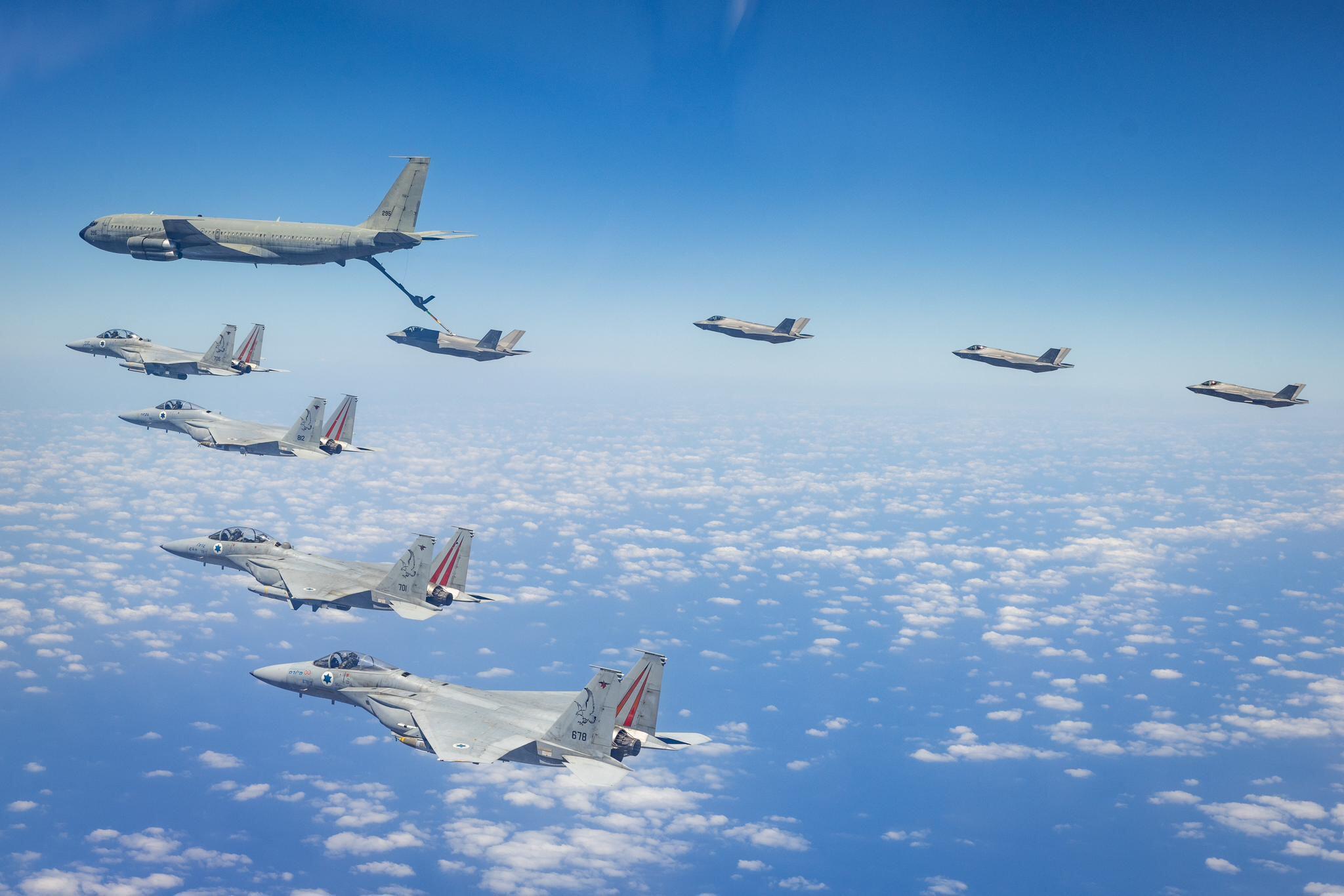
The United States Central Command (CENTCOM) confirmed that a Boeing KC-135 Stratotanker was lost during a mission linked to what officials described as “Operation Epic Fury” in western Iraq. The confirmation comes amid an already volatile regional situation triggered by the latest phase of hostilities between the United States, Israel, and Iran.
According to the U.S. military, two aircraft were involved in the incident during the operation. While one of the planes was lost in western Iraqi airspace, the second aircraft reportedly managed to land safely. U.S. officials stressed that the incident occurred within friendly territory and maintained that there was no indication the aircraft was brought down by enemy fire.
However, the situation quickly became more complicated as Iranian officials issued a dramatically different version of events. Tehran insists that the aircraft was successfully targeted and destroyed by forces aligned with Iran, contradicting the American account that the loss was unrelated to hostile engagement.
The escalating war traces its immediate origins to the joint military strikes launched on February 28 by the United States and Israel against multiple strategic locations inside Iran. Those attacks targeted major cities, including Tehran, and reportedly resulted in the deaths of several senior Iranian leaders, including Iran’s long-time Supreme Leader Ali Khamenei.
The strikes dramatically shifted the balance of power in the region and triggered an aggressive retaliatory campaign by Iran’s elite military arm, the Islamic Revolutionary Guard Corps (IRGC). Since then, a wave of missile and drone attacks has been launched against U.S. and allied targets across several countries in the Middle East.
Iranian officials say the KC-135 aircraft incident represents one of their first major successes in the ongoing retaliation campaign. A spokesperson for Iran’s Khatam al-Anbiya Central Headquarters claimed that the American aircraft was tracked and shot down by Iranian-aligned air defence systems operating in the region.
According to the spokesperson, the aircraft was struck during an operational mission, leading to its destruction. Iranian authorities further alleged that all members of the crew aboard the plane were killed in the attack, including three American pilots.
These claims have not been independently verified, and U.S. officials have not confirmed any fatalities related to the aircraft loss. CENTCOM has also not publicly addressed Tehran’s assertions that the aircraft was shot down.
Iranian authorities went further in their account of the incident, stating that a second American aircraft involved in the same mission sustained significant damage during the engagement. According to Iranian sources, the damaged aircraft was forced to make an emergency landing in Tel Aviv after suffering heavy mechanical problems following the encounter.
So far, U.S. military officials have not responded to these additional claims, leaving analysts uncertain about the true circumstances surrounding the incident.
The aircraft in question, the KC-135 Stratotanker, plays a crucial role in U.S. air operations around the world. The refueling aircraft allows fighter jets, bombers, and reconnaissance planes to remain airborne for extended periods by refueling them mid-air. Losing such a platform during a major operation could potentially affect the logistical reach of ongoing missions.
Meanwhile, the conflict has continued to expand beyond isolated air engagements. Iranian state media reported that the IRGC Navy carried out missile strikes targeting the USS Abraham Lincoln, a U.S. aircraft carrier deployed in the Persian Gulf region.
According to Iran’s Khatam al-Anbiya command, the carrier sustained what they described as “heavy damage” following the missile barrage. Iranian officials claimed that the vessel had been rendered temporarily non-operational and was forced to withdraw from the area.
State media in Tehran portrayed the move as a retreat, reporting that the carrier group had begun moving away from the Persian Gulf toward safer waters.
The United States Navy has not confirmed the extent of any damage to the carrier or whether the ship was actually struck during the attack. No official American report has verified Iran’s claim that the vessel was disabled.
Military analysts observing the unfolding crisis suggest that both sides are engaged in a fierce battle not only on the battlefield but also in the realm of information warfare. Conflicting statements regarding the aircraft crash and the reported attack on the carrier highlight the strategic importance of shaping public perception during wartime.
Information control has become a key component of modern conflict, and analysts say governments often use media narratives to influence domestic audiences, intimidate adversaries, and maintain morale among allies and supporters.
As the military confrontation intensifies, the humanitarian consequences are becoming increasingly severe. The World Health Organization has reported that the escalating hostilities have already resulted in more than 1,800 deaths across several countries, including Iran, Lebanon, and Israel.
Hospitals and emergency services throughout the region are reportedly struggling to cope with the influx of casualties. Medical facilities in some affected areas have been placed under immense strain as supplies run low and infrastructure comes under threat from ongoing missile and air strikes.
Economic disruptions are also beginning to ripple beyond the immediate conflict zone. Analysts warn that prolonged instability could affect global oil markets and international shipping routes, particularly if the fighting spreads to strategic waterways in the Gulf.
Despite the rising tensions and mounting casualties, diplomatic efforts to halt the conflict have so far shown little progress. International observers warn that without urgent negotiations and de-escalation measures, the situation could spiral into a broader regional war involving multiple state and non-state actors.
For now, the United States continues to maintain a strong military presence across the Middle East, even as questions linger over the reported loss of key assets during ongoing operations.
As conflicting narratives continue to emerge from both Washington and Tehran, the world is watching closely, hoping that diplomacy might still succeed in preventing a wider and potentially devastating regional confrontation.