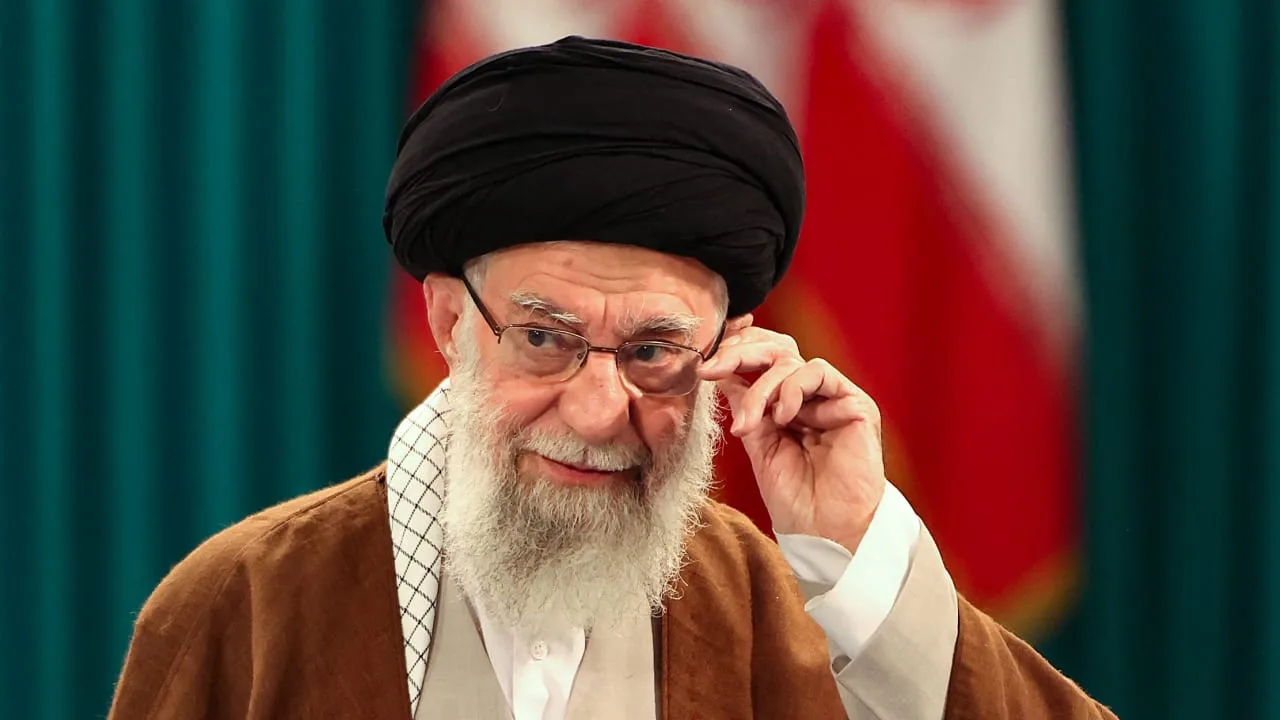
Iran’s Supreme Leader, Ayatollah Ali Khamenei, has reportedly been moved to a high-security underground shelter amid mounting fears of a possible United States military strike, as tensions between Tehran and Washington continue to escalate sharply. The development underscores growing anxiety within Iran’s leadership over the prospect of direct confrontation with the United States, following weeks of unrest at home and an increasingly aggressive military posture by Washington in the region.
Multiple reports indicate that the fortified bunker is designed for wartime contingencies and is intended to protect the Iranian leader from potential aerial or missile attacks. While the supreme leader remains out of public view, his third son, Masoud Khamenei, is said to have assumed responsibility for managing his father’s day-to-day affairs, signaling the seriousness with which Iranian authorities are treating the perceived threat.
The heightened security measures come against the backdrop of persistent nationwide protests in Iran, sparked by the sharp collapse of the country’s currency, the rial, on December 28. The demonstrations, driven by economic hardship, unemployment, and frustration with government policies, have been met with a violent crackdown by security forces, resulting in numerous deaths and mass arrests.
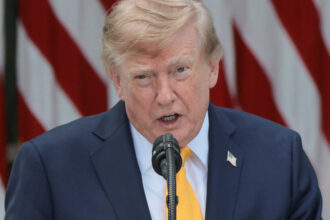
Senior Iranian military officials have reportedly warned the country’s leadership that the risk of US military action has increased significantly. These concerns have been amplified by recent statements from US President Donald Trump, who last week confirmed that American warships were being repositioned closer to Iran as a precautionary measure.
“We have a massive fleet heading in that direction, and maybe we won’t have to use it,” Trump said, adding that the deployment was meant to ensure the United States is prepared for any eventuality.
A US Navy official subsequently confirmed that the aircraft carrier USS Abraham Lincoln, along with its accompanying strike group, is currently operating in the Indian Ocean and moving closer to the Middle East. The presence of the carrier strike group has been widely interpreted as a show of force aimed at deterring Iran amid the ongoing crisis.
Relations between Washington and Tehran have remained deeply strained for years, but the current standoff has been exacerbated by the scale of the protests and the Iranian government’s response. President Trump has repeatedly issued stern warnings to Tehran, publicly outlining what he described as two red lines that could prompt direct US military intervention: the killing of peaceful protesters and the mass execution of individuals arrested during the unrest.
Although Iranian authorities reportedly halted the execution of approximately 800 detainees following international pressure, US officials say the White House remains deeply dissatisfied with the supreme leader’s handling of the crisis. Sources close to the Trump administration indicate that the president is particularly angered by reports of continued violence against demonstrators and restrictions on civil liberties.
On Sunday, January 25, an Iranian official warned that any US military strike, regardless of its scale or scope, would trigger an all-out conflict. Speaking to Reuters on condition of anonymity, the official said Tehran would not distinguish between limited or full-scale attacks and would respond with maximum force.
“This time we will treat any attack, limited, unlimited, surgical, kinetic, whatever they call it, as an all-out war against us, and we will respond in the hardest way possible to settle this,” the official said.
He added that Iran’s military forces had been placed on the highest state of alert and were fully prepared for a worst-case scenario. “If the Americans violate Iran’s sovereignty and territorial integrity, we will respond. This military build-up, we hope it is not intended for real confrontation, but our military is ready for the worst-case scenario. This is why everything is on high alert in Iran,” the official stated.
Iranian state media has also adopted increasingly combative rhetoric. In a recent broadcast, state television issued a chilling warning that appeared to reference a failed assassination attempt on President Trump in 2024. The broadcast declared ominously that “this time, the bullet won’t miss,” a statement that has drawn widespread condemnation and raised alarm among international observers.
Analysts say the relocation of the supreme leader to a secure underground facility reflects both the seriousness of the external threat perceived by Tehran and the fragility of the domestic situation. With protests continuing across multiple cities and public anger showing few signs of abating, Iran’s leadership faces pressure on two fronts: internal instability and external confrontation.
Diplomatic efforts to de-escalate the crisis appear to have stalled, with no meaningful dialogue currently underway between the two sides. European and regional powers have expressed concern over the escalating rhetoric and military movements, warning that any miscalculation could spiral into a wider conflict with far-reaching consequences for the Middle East and beyond.
Security experts note that the deployment of US naval assets, combined with Iran’s heightened military readiness, increases the risk of accidental clashes, particularly in strategic waterways such as the Persian Gulf. Even a limited incident, they warn, could rapidly escalate given the current climate of mistrust and hostility.
For now, both Washington and Tehran continue to signal readiness for confrontation while insisting they do not seek war. However, the relocation of Iran’s supreme leader to a wartime bunker, the mobilization of US naval forces, and the increasingly inflammatory rhetoric from both sides suggest that the situation remains highly volatile.
As protests persist within Iran and diplomatic channels remain frozen, international observers fear that the window for de-escalation is narrowing, raising the specter of a conflict that could destabilize an already fragile region.