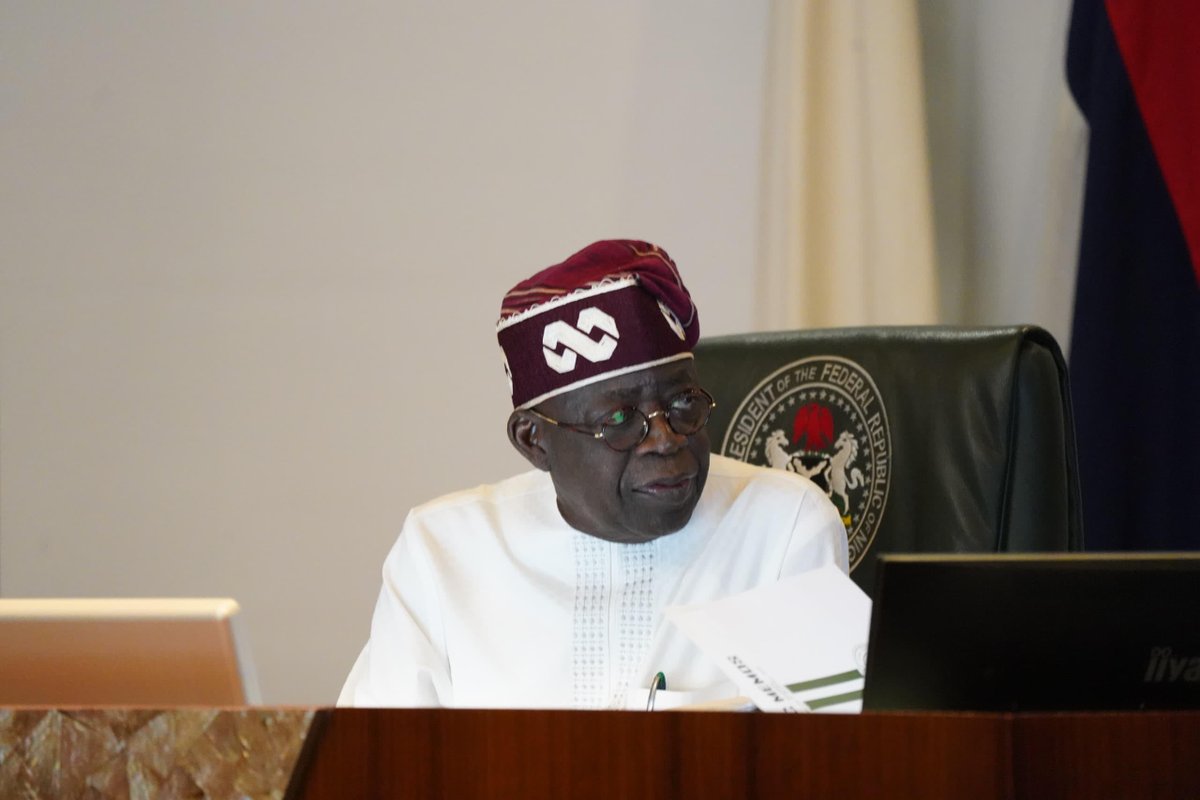
President Bola Ahmed Tinubu has approved a comprehensive ₦3.3 trillion payment plan aimed at settling longstanding debts in Nigeria’s power sector, a move expected to improve electricity generation, restore investor confidence, and enhance service delivery across the country.
The approval, announced in a State House press release, marks a major milestone in the Federal Government’s ongoing efforts to reform the electricity industry under the Presidential Power Sector Financial Reforms Programme. The initiative is designed to address legacy financial obligations that have hindered the performance and stability of the sector for more than a decade.
According to the statement issued by Bayo Onanuga, Special Adviser to the President on Information and Strategy, the debt settlement plan followed a comprehensive review and verification of outstanding liabilities accumulated between February 2015 and March 2025.
After the review process, the government and stakeholders agreed on ₦3.3 trillion as a full and final settlement of the debts, paving the way for a more transparent and sustainable financial structure within the power value chain.
The debts, which have weighed heavily on electricity generation companies and other stakeholders, have long been identified as a key factor behind inconsistent power supply, underinvestment, and operational inefficiencies in the sector.
With the new payment framework now in place, implementation has already begun. The government confirmed that 15 power generation companies have signed settlement agreements amounting to ₦2.3 trillion, representing a significant portion of the total debt.
To kick-start the process, the Federal Government has raised ₦501 billion, out of which ₦223 billion has already been disbursed to beneficiaries. Additional payments are currently being processed as part of a phased approach to clearing the obligations.
Officials say the immediate impact of the payments will be felt across the entire electricity value chain. By settling debts owed to generation companies and gas suppliers, the government aims to stabilise power production and reduce disruptions caused by financial constraints.
Energy experts note that many power plants in Nigeria have struggled to operate at optimal capacity due to unpaid invoices, limited access to gas, and a lack of investment. The new payment plan is expected to address these challenges by ensuring that key players in the sector receive the financial support needed to sustain operations.
In practical terms, Nigerians are likely to experience improvements in electricity supply as the reforms take effect. With better funding for power plants, generation levels are expected to rise, leading to more reliable and consistent power delivery to homes, businesses, and industries.
Speaking on the significance of the initiative, Olu Arowolo-Verheijen, Special Adviser to the President on Energy, described the programme as a critical step toward restoring confidence in the power sector.
“This programme is not just about settling legacy debts,” she said. “It is about rebuilding trust across the entire system—ensuring that gas suppliers are paid, power plants can continue to operate, and the electricity network begins to function more reliably.”
She explained that the debt repayment plan is part of a broader reform agenda aimed at transforming Nigeria’s electricity sector. These reforms include the expansion of metering infrastructure and the introduction of service-based tariffs that align electricity costs with the quality of service delivered to consumers.
According to her, the government is also placing a strong emphasis on prioritising power supply to key economic sectors, particularly businesses, industries, and small and medium-sized enterprises. Reliable electricity, she noted, is essential for job creation, productivity, and overall economic growth.
“The objective is straightforward,” Arowolo-Verheijen added. “We want to deliver more reliable power to households, provide stronger support for businesses, and create a system that works effectively for all Nigerians.”
The Tinubu administration has repeatedly highlighted the importance of electricity as a driver of economic development, with inadequate power supply identified as one of the major constraints facing the country’s growth.
By addressing the financial bottlenecks in the sector, the government hopes to attract new investments, encourage private sector participation, and create an enabling environment for innovation and expansion.
Industry observers say the success of the initiative will depend not only on the timely execution of the payment plan but also on sustained policy consistency and regulatory stability.
In the statement, President Tinubu commended stakeholders across the public and private sectors who contributed to the resolution of the legacy debt crisis. He acknowledged the collaborative efforts required to achieve consensus on such a complex and long-standing issue.
The President also confirmed that the next phase of the reform programme, referred to as Series II, is scheduled to commence within the current quarter. This phase is expected to build on the progress made so far and further strengthen the financial and operational framework of the electricity sector.
While challenges remain, the approval of the ₦3.3 trillion payment plan represents a significant step toward addressing one of the most persistent obstacles in Nigeria’s power sector.
For millions of Nigerians who continue to grapple with unreliable electricity, the reforms offer a renewed sense of hope that meaningful improvements may finally be within reach. If successfully implemented, the initiative could mark the beginning of a more stable, efficient, and investor-friendly power industry—one capable of supporting the country’s long-term development goals.
As the government moves forward with the plan, attention will be focused on ensuring that the intended benefits translate into tangible improvements in power supply, ultimately enhancing the quality of life for citizens and driving economic progress nationwide.