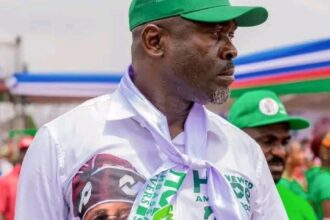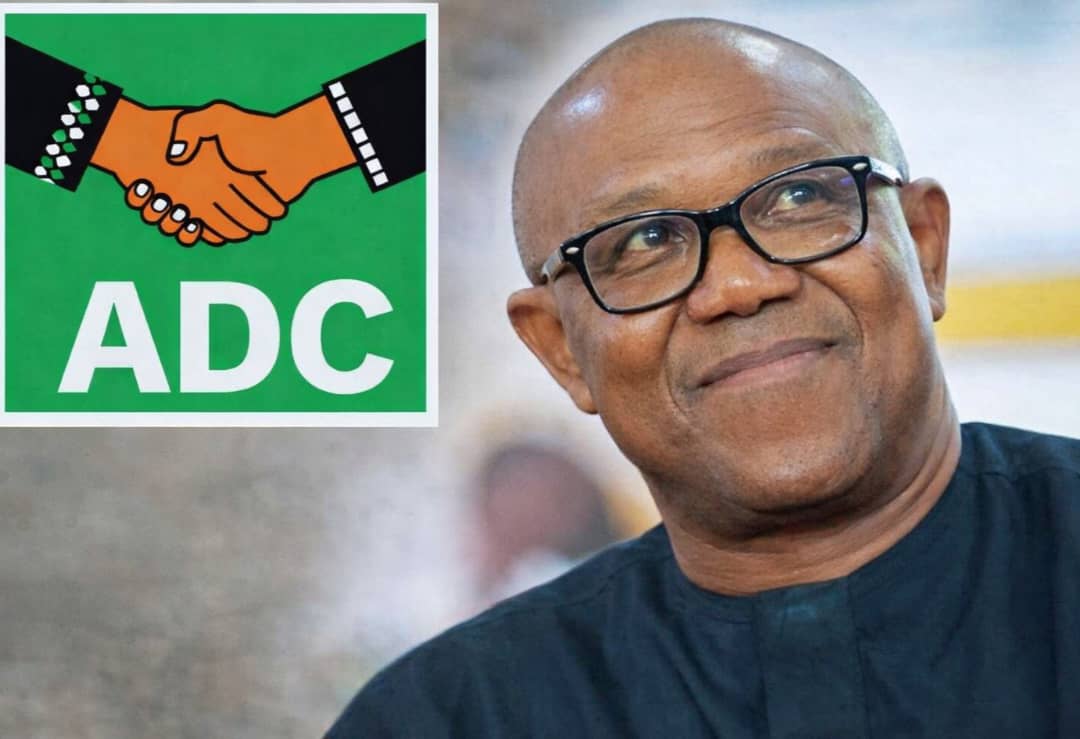
Former Anambra State Governor and Labour Party presidential candidate, Mr Peter Obi, has criticised President Bola Tinubu over what he described as a glaring contradiction between the President’s campaign promises on electricity supply and the persistent failures of Nigeria’s power sector.
In a statement shared on his verified X handle, Obi recalled a key pledge made by President Tinubu during the 2022 presidential campaign, in which he vowed not to seek a second term if he failed to deliver steady electricity within his first four years in office.
“President Bola Tinubu’s campaign promise in 2022 was clear: ‘If I do not provide steady electricity in my first four years, do not vote for me for a second term,’” Obi wrote.
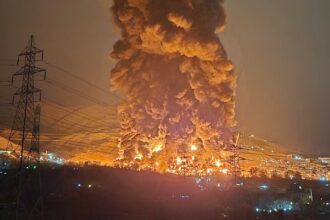
He argued that recent developments in the power sector raise serious concerns about the government’s ability to fulfil that commitment. According to him, the national electricity grid has already collapsed twice in January 2026 alone, even though the month is yet to end. Obi added that the grid reportedly collapsed about twelve times in 2025, a situation he said stands in sharp contrast to the promise of stable and reliable power supply.
“This reality sharply contradicts the promise and should worry every patriotic Nigerian,” Obi stated, noting that frequent grid collapses continue to undermine economic productivity, worsen the cost of living and erode public confidence in governance.
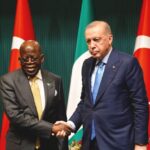
Obi also drew attention to President Tinubu’s recent foreign trip to Türkiye, questioning the timing and priorities of such travels in the face of unresolved domestic challenges. He compared Nigeria’s electricity generation capacity with that of Türkiye, a country with an estimated population of about 87 million people.
According to Obi, Türkiye generates and distributes over 120,000 megawatts of electricity, while Nigeria, with a much larger population, struggles to generate less than five per cent of that figure. He described the disparity as both “striking and painful,” stressing that it highlights Nigeria’s long standing infrastructure deficits and governance gaps.
“At the same time, the President is on another foreign trip, this time to Turkey, a country of about 87 million people, roughly a third of Nigeria’s population. Yet Turkey generates and distributes over 120,000 megawatts of electricity, while Nigeria struggles with less than five per cent of that capacity,” he said.
Obi urged the President to focus more on addressing Nigeria’s internal challenges rather than embarking on frequent overseas engagements. He appealed to Tinubu to “stay at home and confront the nation’s problems,” warning that unresolved issues in power supply, security and economic management continue to impose severe hardship on ordinary Nigerians.
In a sarcastic remark, Obi suggested that if the current trend continues, Nigerians might soon hear of presidential trips to distant countries “while critical issues remain unattended at home.”
Beyond criticising the government, Obi also challenged Nigerians to rethink their priorities as a nation. He lamented what he described as an unhealthy fixation on electoral politics at the expense of sustained civic engagement and demands for good governance.
“And yet, our collective preoccupation seems to be the next election, rather than how to secure good governance,” he said.
According to him, citizens, civil society groups and political actors should be more united in demanding accountability, transparency and responsible leadership from those in power. He argued that such collective pressure is essential to rescue Nigerians from what he described as the indignity and suffering caused by persistent bad governance.
Obi concluded his statement by reiterating his long held message of hope and reform, insisting that meaningful change remains achievable if leaders are held accountable and citizens remain engaged.
“A New Nigeria is POssible,” he declared.
His comments have since sparked renewed debate on social media and in public discourse about the performance of the Tinubu administration, particularly in the power sector, as well as the broader question of leadership priorities in a country grappling with economic and infrastructural challenges.