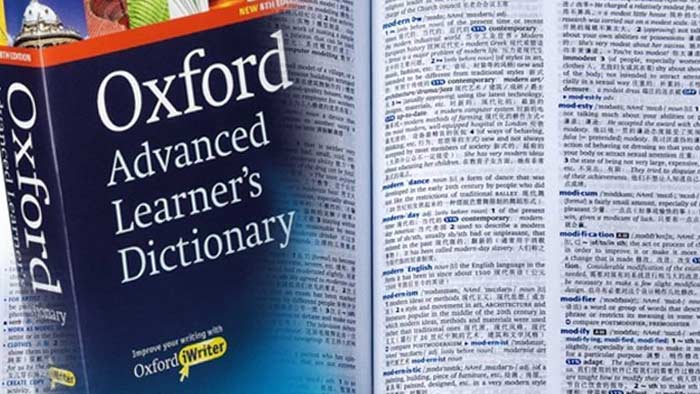
The Oxford English Dictionary has once again expanded its lexicon to reflect the growing global influence of Nigerian language, culture, and everyday expressions, with several Nigerian-origin words formally added in its latest update. The December 2025 update, published on the OED website on Wednesday, features more than 500 new words, phrases, and meanings drawn from different varieties of English spoken around the world, including Nigerian English, West African English, Maltese English, Japanese English, and South Korean English.
Among the most notable additions from Nigeria are widely used expressions and food-related terms such as “nyash,” “mammy market,” “abeg,” “biko,” “amala,” “moi moi,” and the culturally loaded phrase “Ghana Must Go.” The update also recognises “Afrobeats,” further underscoring Nigeria’s expanding cultural footprint beyond its borders.
According to the editors of the Oxford English Dictionary, the latest update reflects how English continues to evolve globally, absorbing local expressions that gain widespread usage through migration, digital communication, music, popular culture, and food. Nigerian English, shaped by indigenous languages, Pidgin, and urban slang, has emerged as one of the most dynamic contributors to this global linguistic evolution.
The December 2025 update introduces more than 500 new entries, including internet slang such as “DM,” “brainfart,” and “chug,” while over 1,000 existing entries were revised. Editors also revisited the histories and evolving meanings of words such as “troll,” “coffee,” and “snooker,” highlighting the dictionary’s ongoing effort to document how language adapts over time.
Among the Nigerian additions, “nyash” stands out as a term that has gained significant popularity both within and outside the country, largely through social media, music lyrics, and pop culture. The dictionary defines “nyash” as “a person’s (especially a woman’s) buttocks; the bottom, the backside.” Once considered informal street slang, the word’s inclusion reflects how digital culture has propelled local expressions into international usage.
Another term that attracted attention is “mammy market,” which the dictionary defines as “a market typically run by women, originally found in military barracks but later also in youth service camps and educational institutions.” The phrase has long been part of Nigeria’s social vocabulary, particularly within military and National Youth Service Corps communities, and its recognition by the OED affirms its cultural and historical significance.
Food culture also features prominently in the latest update, with traditional Nigerian dishes receiving global recognition. “Amala,” a staple food particularly associated with the Yoruba people, is defined as “a kind of dough made of yam, cassava, or unripe plantain flour, typically formed into a ball and served as an accompaniment to other dishes.” Similarly, “moi moi” is described as a dish originating among the Yoruba, “consisting of beans ground into a smooth paste, mixed with peppers, onions, dried fish or other ingredients, and steamed.” The inclusion of these foods reflects the growing global interest in African cuisine and the increasing visibility of Nigerian food through restaurants, food blogs, and international culinary festivals.
Polite expressions commonly used in everyday Nigerian conversation were also recognised. “Abeg” is defined as an interjection used to express a range of emotions depending on context, including surprise, exasperation, or disbelief. “Biko,” which originates from the Igbo language, is defined as an adverb and interjection used in polite requests or agreement, often translated as “please.” These terms are frequently used in Nigerian English and Pidgin and have increasingly appeared in online conversations and diaspora communities worldwide.
One of the most historically charged additions is “Ghana Must Go,” the popular name for the large chequered plastic bags widely used across West Africa. The dictionary traces the expression to the 1983 mass expulsion of undocumented Ghanaian migrants from Nigeria, a period when many migrants were forced to pack their belongings into these bags. Today, the bags have become a ubiquitous symbol of travel and commerce across the region. The OED defines “Ghana Must Go” as “a large, zippered bag made of durable plastic with a colourful check pattern, often used for carrying one’s belongings.”
The December update also includes “Afrobeats,” defined as “a style of popular music incorporating elements of West African music and of jazz, soul, and funk.” The recognition of Afrobeats by the OED reflects the genre’s meteoric rise on the global music scene, driven by Nigerian artists whose work now dominates international charts, festivals, and award platforms.
This is not the first time Nigerian words have found their way into the Oxford English Dictionary. In January 2025, the OED added 20 Nigerian words and expressions, further highlighting the influence of Nigerian English, Pidgin, and street slang on global vocabulary. That update included popular terms such as “japa,” commonly used to describe migration or leaving the country in search of better opportunities; “agbero,” referring to motor park touts; and “eba,” another staple food made from cassava flour.
Other previously added Nigerian expressions include “419,” a reference to internet fraud derived from Nigeria’s criminal code, and “abi,” a conversational tag often used to seek confirmation or agreement. Together, these entries demonstrate how Nigerian social realities, humour, and everyday interactions continue to shape global English usage.
Language experts note that the inclusion of Nigerian words in the Oxford English Dictionary is not merely symbolic but reflects sustained and widespread usage across different regions of the world. With Nigeria’s large diaspora, vibrant digital presence, and influential entertainment industry, Nigerian English has increasingly crossed national boundaries, becoming part of everyday communication in multicultural settings.
For many Nigerians, the recognition of these words by one of the world’s most authoritative dictionaries is a source of pride and validation. It affirms that local expressions once dismissed as informal or nonstandard are now acknowledged as legitimate contributors to the global English language.
As English continues to evolve as a truly global language, the Oxford English Dictionary’s latest update underscores a broader shift toward inclusivity and representation. By documenting Nigerian words alongside those from other parts of the world, the OED reinforces the idea that English no longer belongs to any single region but is shaped collectively by the diverse cultures and communities that use it daily.