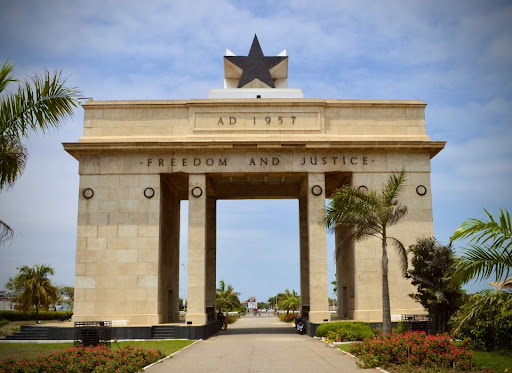
The Federal Government of Nigeria has congratulated the Republic of Ghana on the occasion of its 69th Independence Anniversary, reaffirming the enduring diplomatic, cultural and historical ties that have long bound the two West African nations together.
Nigeria’s Minister of Foreign Affairs, Ambassador Yusuf Maitama Tuggar, conveyed the message of goodwill in a statement issued on Friday through the spokesperson of the Ministry of Foreign Affairs, Kimiebi Ebienfa. The message was addressed to Ghana’s Minister of Foreign Affairs, Samuel Okudzeto Ablakwa, as Ghana commemorated its independence from British colonial rule on March 6, 1957.
In his congratulatory message, Tuggar described Ghana’s independence as a landmark event in Africa’s political history and a pivotal moment that ignited the wave of decolonisation across the continent. According to him, Ghana’s bold step toward sovereignty under the leadership of its founding fathers inspired many other African nations, including Nigeria, to intensify their struggle for freedom, self-determination and national dignity.
He noted that Ghana’s emergence as the first sub-Saharan African country to gain independence from colonial rule represented a turning point in Africa’s liberation movement, creating a powerful momentum that reshaped the political landscape of the continent.
“The Federal Government of Nigeria joins the government and people of Ghana in celebrating this historic milestone,” Tuggar stated. “Ghana’s independence was not only a victory for its people but also a defining moment in the collective quest for freedom and self-determination across Africa.”
The minister emphasised that Nigeria recognises and appreciates Ghana’s consistent contributions to democratic governance, regional cooperation and peaceful development across West Africa and the wider African continent.
According to him, Nigeria and Ghana share a unique relationship rooted in deep historical experiences, cultural similarities and common aspirations for peace, economic prosperity and African unity.
Tuggar explained that the relationship between the two countries has grown stronger over the decades through sustained diplomatic engagement, political cooperation and economic partnerships.
He said both nations have consistently played leading roles in advancing democratic values and promoting political stability in West Africa, particularly through their participation in regional and international organisations such as the Economic Community of West African States (ECOWAS), the African Union (AU) and the United Nations.
“These platforms have provided opportunities for Nigeria and Ghana to collaborate closely in addressing regional challenges, promoting peace and security, and supporting development initiatives across the continent,” the minister noted.
Tuggar further highlighted the extensive cooperation between the two countries in several key sectors, including trade and investment, education, energy, defence, migration management and cultural exchange.
He stated that bilateral engagements and high-level diplomatic visits over the years have strengthened mutual understanding and deepened collaboration in areas critical to the economic and social development of both nations.
According to the minister, the movement of people between Nigeria and Ghana under regional free movement protocols has significantly enhanced economic interaction and cultural exchange.
He noted that thousands of Nigerians live and work in Ghana while many Ghanaians have also established strong economic and social ties in Nigeria. This cross-border interaction, he said, has strengthened people-to-people relationships and fostered a sense of shared identity within the West African region.
Tuggar acknowledged that despite occasional diplomatic tensions and trade disagreements in the past, both countries have consistently demonstrated maturity and commitment in resolving issues through dialogue and diplomatic channels.
He said the long-standing friendship between Nigeria and Ghana has remained resilient because it is built on mutual respect, shared values and a common vision for regional integration.
The minister also commended Ghana’s contributions to promoting democracy and stability across Africa. He pointed out that Ghana has earned global recognition for its democratic credentials, peaceful political transitions and commitment to the rule of law.
According to him, Nigeria and Ghana have also worked closely together in peacekeeping missions and conflict resolution initiatives in various parts of Africa.
He noted that both countries have participated in several United Nations and African Union peacekeeping operations, contributing troops, resources and diplomatic expertise to efforts aimed at restoring peace and stability in conflict-affected regions.
“Through these collaborative efforts, Nigeria and Ghana have demonstrated their shared commitment to peacebuilding, conflict prevention and regional security,” Tuggar said.
The minister also reflected on the theme chosen by Ghana for this year’s independence celebration, “Building Prosperity, Restoring Hope.”
He said the theme reflects the determination of the Ghanaian government and people to strengthen their economy, consolidate democratic institutions and improve the welfare of citizens.
Tuggar praised the resilience, innovation and determination of the Ghanaian people in overcoming economic challenges while continuing to pursue national development.
“Nigeria commends the resilience, creativity and dedication of the Ghanaian people in building a strong and prosperous nation,” he said.
He also expressed optimism about the future of Nigeria-Ghana relations, noting that both countries have enormous potential to expand their cooperation in areas such as trade, technology, infrastructure development and youth empowerment.
According to him, deeper collaboration between the two largest economies in West Africa would significantly contribute to the growth of regional markets and strengthen economic integration within the ECOWAS community.
Tuggar reaffirmed Nigeria’s commitment to further strengthening bilateral relations with Ghana through sustained diplomatic engagement, increased economic cooperation and expanded cultural exchanges.
He emphasised that stronger Nigeria-Ghana relations would play a vital role in promoting regional prosperity, enhancing political stability and advancing the broader vision of a peaceful and united Africa.
“As Ghana celebrates this important milestone, Nigeria remains committed to deepening its partnership with Ghana for the benefit of our peoples and the progress of the African continent,” he added.
The congratulatory message underscores the importance Nigeria places on its relationship with Ghana, a partnership that has endured for decades and continues to evolve as both nations work together toward shared regional and continental goals.
As Ghana marks 69 years of independence, Nigeria’s message reflects the enduring solidarity between the two countries and their shared commitment to building a stronger, more prosperous and united Africa.