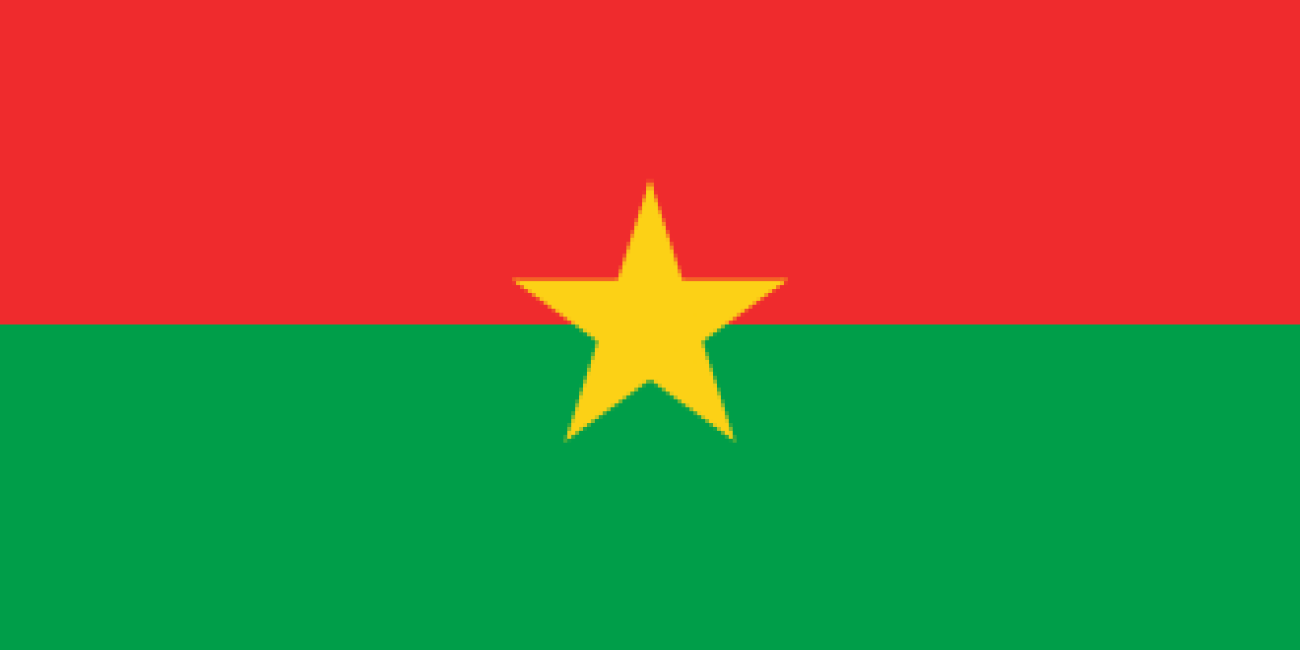
Mali and Burkina Faso have announced reciprocal travel restrictions on United States citizens in response to Washington’s decision to place both countries on a no-entry list under an expanded travel ban introduced by President Donald Trump’s administration. The move marks a sharp escalation in diplomatic tensions between the West African states and the United States, underscoring the widening rift between Washington and a group of Sahelian countries now governed by military juntas.
The two countries, which were recently subjected to full entry restrictions by the United States, said they would apply identical measures to American nationals in line with the principle of reciprocity that governs international relations. Officials in Bamako and Ouagadougou framed their decision as a defence of national dignity and sovereignty, arguing that unilateral actions by powerful states undermine mutual respect among nations.
According to the British Broadcasting Corporation (BBC), Burkina Faso’s Minister of Foreign Affairs, Karamoko Jean-Marie Traoré, stated that his country’s response was rooted firmly in reciprocity. He said Burkina Faso could not accept a situation in which its citizens are barred from entering another country while nationals of that same country continue to enjoy unrestricted access to Burkinabé territory.
Related posts:
- Canada Issues Strong Travel Advisory Warning Citizens to Avoid Nigeria Over Escalating Terrorism and Kidnappings
- Tinubunomics and the broken logic of Nigeria’s subsidy removal policy
- “Christianity faces an existential threat in Nigeria” – President Trump vows to protect Christians globally
- Trump Sparks New Controversy After Calling Female Reporter “Stupid” During Heated Exchange on Washington D.C. Shooting
Similarly, Mali’s Ministry of Foreign Affairs issued a strongly worded statement condemning the United States’ decision and announcing corresponding restrictions on American citizens. The ministry stressed the importance of “mutual respect and sovereign equality” in relations between states, adding that Mali regretted that such a far-reaching decision had been taken by the United States without any prior consultation with Malian authorities.
Mali also expressed concern over the broader implications of the US policy, warning that blanket restrictions based on nationality risk deepening global divisions and unfairly stigmatising entire populations. Officials noted that Mali has historically cooperated with international partners on security and migration issues and should not be subjected to punitive measures without dialogue.
The retaliatory actions by Mali and Burkina Faso follow a similar announcement by neighbouring Niger earlier this week. Niger, which is also under military rule following a coup, imposed its own travel ban on US citizens after being affected by Washington’s restrictive immigration measures. Together, the three countries form a bloc of Sahelian states increasingly at odds with Western powers.
All three countries are currently governed by military juntas that seized power in recent coups, citing insecurity, political instability, and the failure of civilian governments to address jihadist violence. Since taking control, the juntas in Mali, Burkina Faso, and Niger have faced sanctions and diplomatic pressure from regional organisations and Western governments, further straining relations.
In response to what they view as external interference and punitive diplomacy, the three countries have in recent years drawn closer to one another, establishing a new regional alliance outside the framework of the Economic Community of West African States (ECOWAS). They have also pivoted away from traditional Western allies and strengthened ties with Russia, particularly in the areas of security cooperation and military support.
The US travel restrictions that triggered the latest diplomatic standoff are part of a broader immigration policy shift under President Trump’s administration. Earlier in December, SaharaReporters reported that the United States had suspended the processing of all immigration applications from 19 countries across Africa, Asia, and the Middle East. The decision sparked widespread concern that thousands of prospective immigrants could be left in prolonged legal limbo, with little clarity on when or if their applications would be processed.
The Trump administration defended the move on national security grounds, citing concerns following an attack on National Guard members in Washington last week. An Afghan national was arrested in connection with the incident, and US officials argued that enhanced vetting measures were necessary to prevent similar attacks in the future.
Under the new policy, all applicants from the affected countries are required to undergo what officials described as a comprehensive and rigorous vetting process, according to Agence France-Presse (AFP). However, the administration did not provide details on how long the suspension would last or whether additional countries might be added to the list, fuelling uncertainty among affected individuals and governments.
Several of the countries named in the policy were already subject to partial travel bans. Those facing the most severe restrictions include Afghanistan, Burma, Chad, the Republic of the Congo, Equatorial Guinea, Eritrea, Haiti, Iran, Libya, Somalia, Sudan, and Yemen. The inclusion of Mali, Burkina Faso, and Niger has drawn particular attention given their strategic importance in the fight against terrorism in the Sahel region.
Critics of the policy argue that the sweeping nature of the restrictions risks alienating partners and undermining international cooperation on security and migration. They also contend that collective punishment based on nationality is inconsistent with international norms and disproportionately affects ordinary citizens rather than political or security actors.
Earlier, SaharaReporters reported that President Trump issued a sharply worded Thanksgiving message in which he called for an immediate and permanent halt to immigration from what he described as “all Third World Countries.” In the same message, he criticised existing US immigration policies and political leaders, reigniting debate over the direction and tone of America’s engagement with the rest of the world.
For Mali and Burkina Faso, the decision to impose reciprocal travel bans is both symbolic and strategic. While the practical impact on travel flows may be limited, the move sends a clear message that the two countries are prepared to assert their sovereignty and respond firmly to policies they consider discriminatory or disrespectful.
As diplomatic tensions continue to rise, observers warn that the growing estrangement between the United States and parts of the Sahel could have broader implications for regional stability, counterterrorism efforts, and international cooperation. For now, the tit-for-tat travel restrictions reflect a deepening divide in global politics, where questions of security, migration, and sovereignty increasingly collide.