By Dr. Uzor Ngoladi
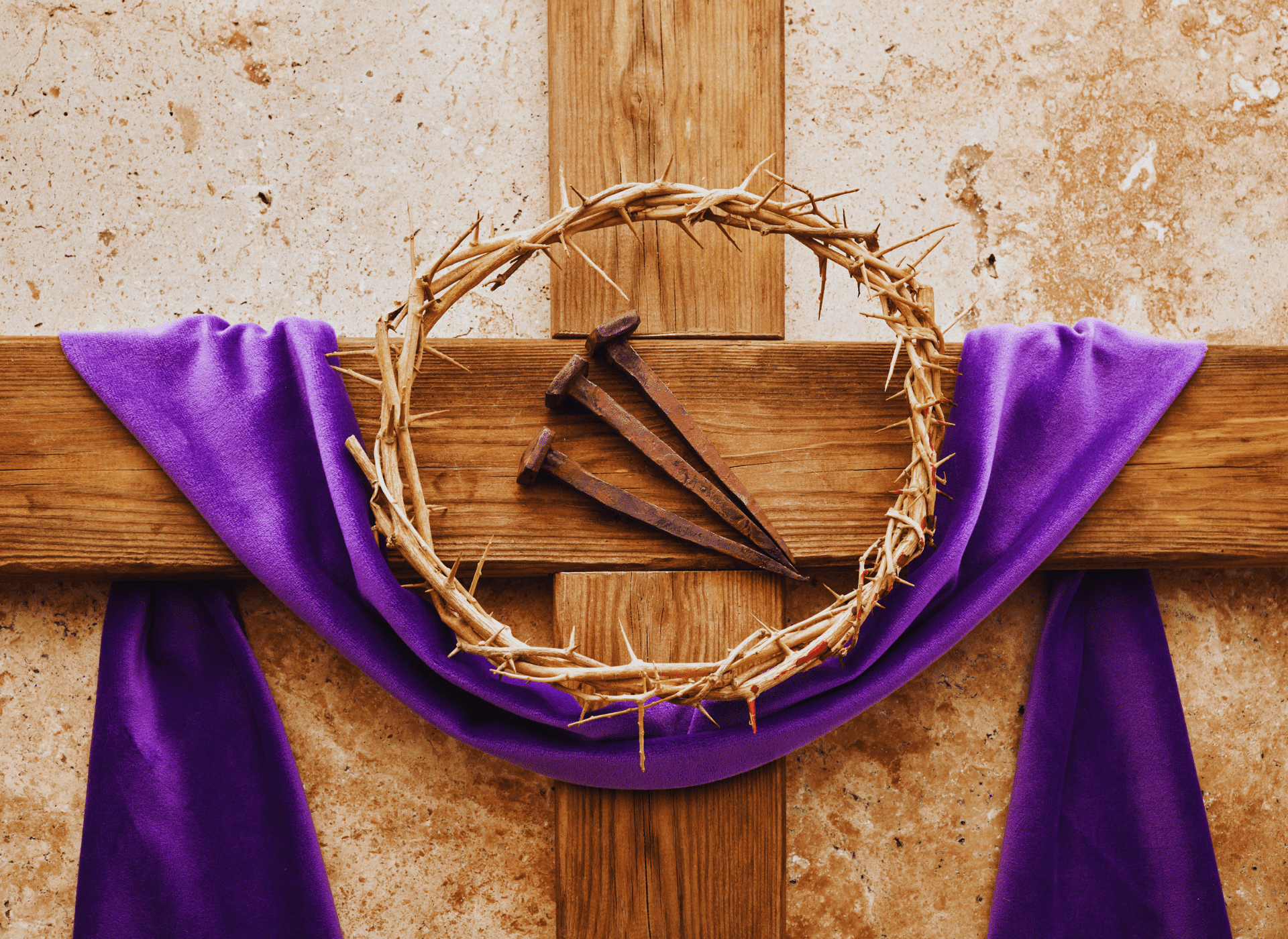
On February 18, Christians across Nigeria and around the world will begin the solemn season of Lent — a forty-day period of fasting, prayer, repentance and spiritual renewal leading to Easter. For millions of believers, Lent is not merely a ritual observance; it is a profound spiritual journey that calls for introspection, sacrifice and a recommitment to the values of humility, compassion and reconciliation.
In a country as religiously vibrant and diverse as Nigeria, the commencement of Lent presents more than a liturgical milestone. It offers a timely opportunity for reflection on a deeper national imperative: the urgent need for religious tolerance, mutual respect and peaceful coexistence among citizens of different faith traditions.
Lent commemorates the forty days Jesus Christ spent in the wilderness in prayer and fasting. The season invites Christians to examine their lives, turn away from wrongdoing and cultivate virtues such as patience, charity and forgiveness. It is a period marked by self-denial, acts of mercy and renewed devotion to God. Yet, beyond personal spirituality, Lent also has a strong social dimension. It challenges believers to mend broken relationships, seek justice and promote peace within their communities.
Nigeria’s social fabric is woven from multiple religious identities, principally Christianity and Islam, alongside indigenous belief systems. This pluralism has long been one of our defining characteristics. However, it has also, at times, been exploited by political actors and extremists, resulting in suspicion, tension and even violence. In several regions, inter-religious mistrust has contributed to cycles of conflict that undermine national unity and development.
In this context, Lent must be understood not only as a season of individual transformation but also as a call to collective responsibility. The core disciplines of Lent — prayer, fasting and almsgiving — are rooted in empathy. Fasting reminds believers of the suffering of others. Almsgiving directs attention to the vulnerable and the marginalised. Prayer nurtures humility and dependence on divine guidance rather than human arrogance.
These values are indispensable in a plural society.
Religious tolerance does not require the dilution of doctrinal convictions. It does not mean abandoning deeply held beliefs or merging distinct faith traditions into a single outlook. Rather, it demands recognition of the equal dignity of all persons, regardless of creed. It insists on peaceful engagement, civil discourse and the rejection of violence as a means of resolving religious differences.
Nigeria’s Constitution guarantees freedom of thought, conscience and religion. Yet constitutional provisions alone cannot secure harmony. Tolerance must be cultivated in homes, places of worship, schools and public institutions. Religious leaders, in particular, carry a profound responsibility to model restraint, preach peace and discourage inflammatory rhetoric.
As Christians embark on the Lenten fast on February 18, the spiritual discipline of self-examination should extend to how we relate to neighbours of other faiths. Are our words and actions building bridges or deepening divisions? Are we defending the rights of others to worship freely, just as we demand protection for ourselves? Are we confronting prejudice within our own communities?
True religious devotion cannot coexist with hatred or intolerance. Any expression of faith that fuels hostility contradicts the moral foundations of that faith. Lent calls Christians to confront hypocrisy, to renounce bitterness and to embody love in practical terms.
Equally, this moment should encourage interfaith solidarity. Nigeria has witnessed inspiring examples of Muslims and Christians protecting one another in times of crisis, collaborating in humanitarian efforts and standing united against extremism. These examples demonstrate that coexistence is not only possible but sustainable when grounded in mutual respect.
Political leaders also have a critical role to play. Religion should never be instrumentalised for electoral gain or partisan advantage. When faith becomes a tool for division, the consequences are far-reaching. Responsible governance requires fairness, inclusivity and equal protection under the law for all religious communities.
The season of Lent, therefore, must resonate beyond church walls. It should inspire renewed national commitment to dialogue, justice and peaceful coexistence. As Christians abstain from certain comforts and pleasures during these forty days, they should also abstain from prejudice, intolerance and inflammatory speech.
Nigeria’s future depends not only on economic reforms or security strategies but also on the moral character of its citizens. Religious tolerance is not a peripheral ideal; it is central to stability and development. A nation divided along sectarian lines cannot realise its full potential.
On February 18, as ashes are placed on foreheads and prayers ascend from churches across the country, let this Lenten season mark a turning point. Let it deepen personal faith, yes — but also strengthen our shared commitment to unity in diversity.
May this period of fasting and reflection renew hearts, heal divisions and reinforce the conviction that in a multi-religious society, peaceful coexistence is not optional. It is essential.