The Russian government has firmly denied reports that it is supplying Iran with thousands of attack drones to help counter ongoing military pressure from the United States and Israel, describing the claims as false and misleading.
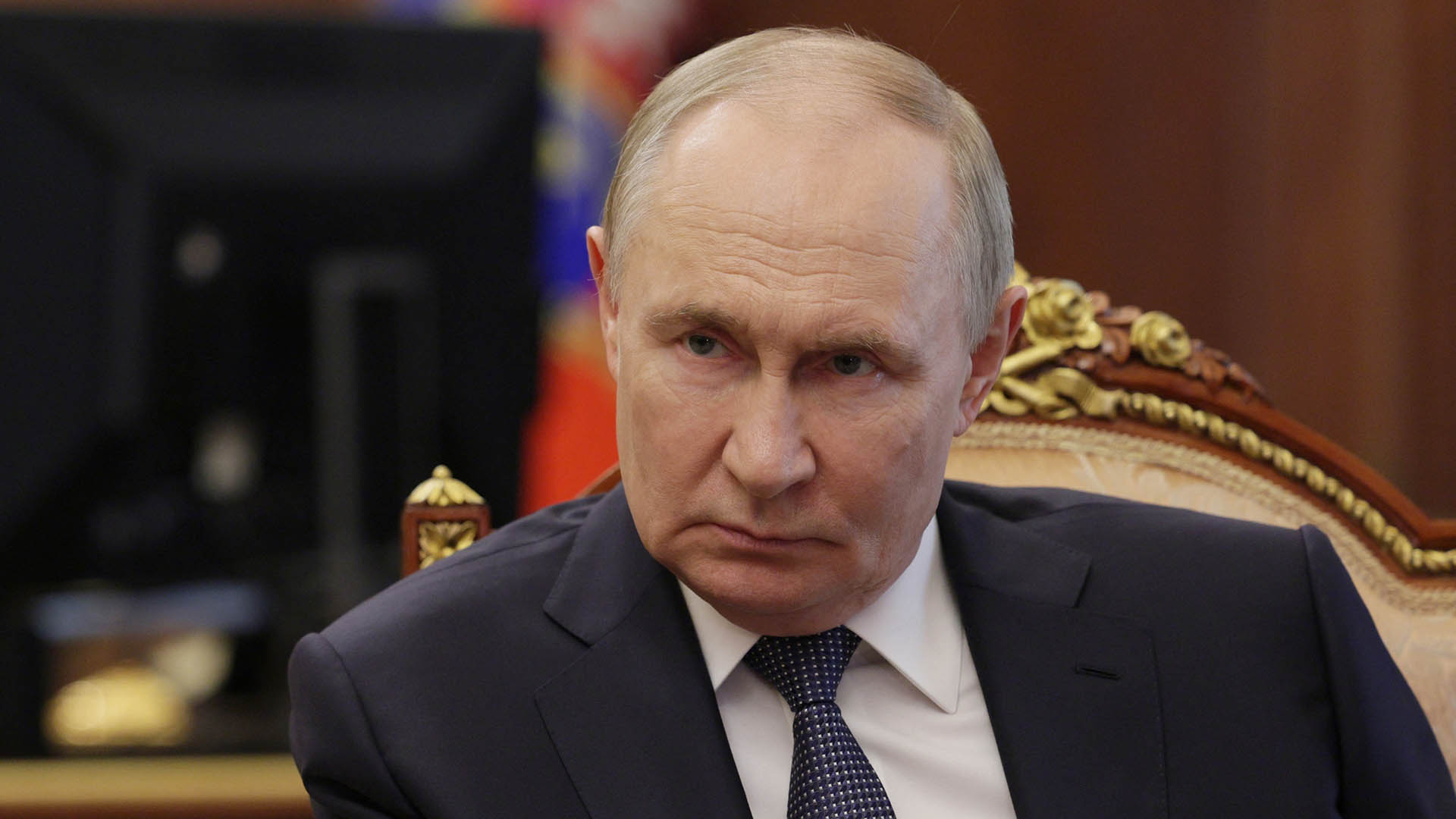
Speaking during a routine press briefing on Thursday, Kremlin spokesperson Dmitry Peskov pushed back against the allegations, insisting that the reports circulating in parts of the international media lack credibility.
“There are so many fake leaks being spread by the media,” Peskov said, urging observers not to give weight to what he characterised as unverified claims.
The denial comes in response to a report by the Financial Times, which cited Western intelligence sources as alleging that Russia had begun preparations to send a significant package of military and humanitarian supplies to Iran. According to the report, the shipment was said to include attack drones, as well as food and medical supplies, suggesting a broader support effort amid escalating conflict in the Middle East.
The report further claimed that discussions between Russian and Iranian officials began shortly after hostilities intensified in February, when the United States and Israel launched coordinated military actions linked to ongoing tensions with Tehran. The shipments, according to those sources, were expected to reach Iran before the end of March.
While the claims have generated significant international attention, Moscow has moved quickly to distance itself from any suggestion of direct military assistance to Iran in the current conflict.
Russia has, however, maintained a consistent political position on the crisis. The Kremlin has openly criticised the military actions of the United States and Israel, describing the campaign as unjustified and warning that it risks further destabilising an already volatile region.
Despite this rhetorical support, Russian officials have repeatedly denied any operational involvement or material backing for Iran’s military response.
Adding another layer to the evolving narrative, The Washington Post reported earlier in the month that Russia may have shared sensitive intelligence with Tehran. According to that report, Moscow allegedly provided information about the positions of U.S. warships and aircraft operating in the region — a move that, if confirmed, could signal a deeper level of strategic cooperation between the two countries.
The Kremlin has not publicly addressed those specific claims in detail, but its broader stance remains one of denial regarding any form of direct military assistance.
The relationship between Russia and Iran has grown significantly in recent years, shaped by shared geopolitical interests and a mutual desire to counter Western influence. Both countries have cooperated on various fronts, including energy, security, and regional diplomacy.
However, analysts note that the current situation places Moscow in a delicate position. While it has strong ties with Tehran, it is also mindful of the risks associated with being drawn into a broader military confrontation involving the United States and its allies.
By rejecting reports of drone shipments, Russia appears keen to avoid any perception that it is escalating the conflict or taking sides in a way that could provoke further international backlash.
At the same time, the spread of such reports highlights the intense information battle surrounding the Middle East crisis. Competing narratives, intelligence leaks, and strategic messaging have become central features of the conflict, with governments and media outlets often presenting sharply differing accounts of events.
For observers, this creates a complex environment in which distinguishing verified information from speculation can be challenging.
The allegations about drone shipments are particularly significant because of the role unmanned aerial systems have played in modern warfare. Attack drones are seen as a critical asset in surveillance and precision strikes, and their deployment can shift the balance in ongoing conflicts.
If Russia were indeed supplying such equipment to Iran, it would represent a major escalation with potential global implications. That is why the Kremlin’s swift and categorical denial is being closely scrutinised by analysts and policymakers alike.
Beyond the military dimension, the reported inclusion of food and medical supplies in the alleged shipments points to the broader humanitarian concerns linked to the conflict. Prolonged hostilities have the potential to disrupt supply chains, strain healthcare systems, and worsen living conditions for civilians.
Even so, Russia has not confirmed any such assistance package, leaving the claims unverified.
The broader geopolitical context also adds weight to the situation. Relations between Russia and Western countries have been strained for years, and the Middle East conflict has introduced new points of tension. Any suggestion of Russian involvement on Iran’s side is likely to heighten those strains further.
For now, Moscow is maintaining a careful balance — criticising Western actions while denying any direct role in supporting Iran’s military capabilities.
As the situation continues to evolve, attention will remain focused on both official statements and independent intelligence assessments. The coming weeks may provide greater clarity on whether the reports were based on credible information or were part of the wider fog of war that often surrounds major geopolitical crises.
What is clear, however, is that the stakes remain high. With multiple global powers involved, even indirectly, the risk of further escalation continues to loom large.
In this uncertain environment, the Kremlin’s message is straightforward: the reports of drone shipments to Iran are unfounded, and Russia is not providing the kind of military support that has been alleged. Whether that position holds up under closer scrutiny remains to be seen, but for now, Moscow is drawing a firm line between political support and direct involvement in the conflict.