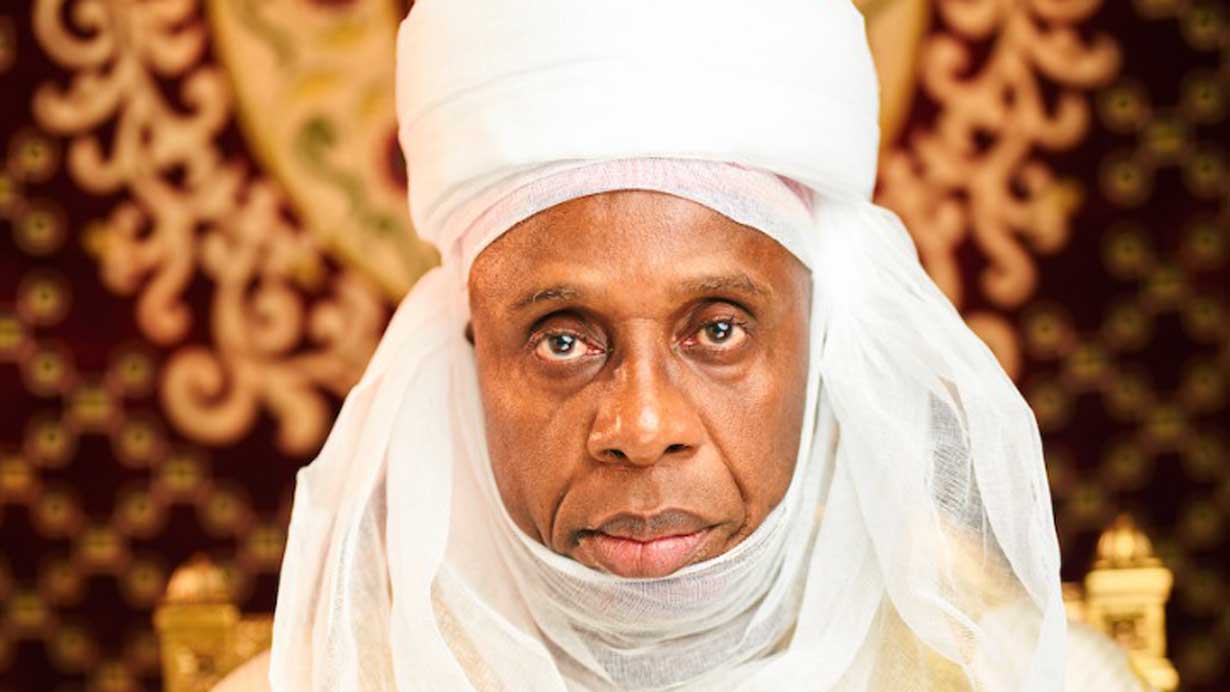
Former Minister of Transportation and former Vice Presidential candidate of the African Democratic Congress (ADC), Rotimi Amaechi, has claimed that Nigerians are beginning to miss the late former President Muhammadu Buhari because, according to him, living conditions were better under the previous administration than they are today.
Amaechi made the remarks during an interview on Channels Television on Tuesday, November 10, challenging Nigerians to compare their economic circumstances under Buhari with their present situation.
He cited the exchange rate, petrol prices and alleged corruption as examples of what he described as the differences between the two administrations.
According to Amaechi, Buhari had repeatedly predicted that Nigerians would eventually call for his return, a statement he said appeared to be reflected in the growing expressions of nostalgia for the former president.
“I always like to quote the former president, Buhari. He will say, ‘People will call me back.’ Nigerians will say, ‘We miss former President Buhari’; are they not saying that now?
“The reason why they are saying that is: compare your life when President Buhari was alive and was the president of Nigeria, and your life now; which one will you choose?” he asked.
Amaechi maintained that key economic indicators were more favourable when the Buhari administration left office in May 2023.
He claimed that the exchange rate was approximately N600 to the dollar at the time, while petrol sold for less than N300 per litre.
He also questioned the scale of corruption under Buhari compared with what he alleged was happening under President Bola Tinubu’s administration.
“By the time we left office, dollar was at 600, by the time we left office, fuel was below 300. The stealing in Buhari’s government, if there was stealing in Buhari’s government, can you compare it to what is going on now? What is going on now is what I call ‘Alibaba and the 40 thieves’,” he said.
The former minister was also asked whether some of the economic challenges confronting the Tinubu administration could be traced to policy decisions taken under Buhari, particularly the former president’s refusal to remove the petrol subsidy.
Amaechi dismissed the suggestion and challenged his interviewer to identify any such decision.
“Name one,” he replied.
His comments add to the growing political debate over the economic performance of successive administrations, particularly as opposition figures intensify criticism of the Tinubu government ahead of the 2027 general elections.