The Chief of Staff to the President, Femi Gbajabiamila, has reaffirmed the Presidency’s strong support for the Special Committee on Campaign Against Social Vices in Secondary and Tertiary Institutions, describing its mandate as central to safeguarding Nigeria’s future.
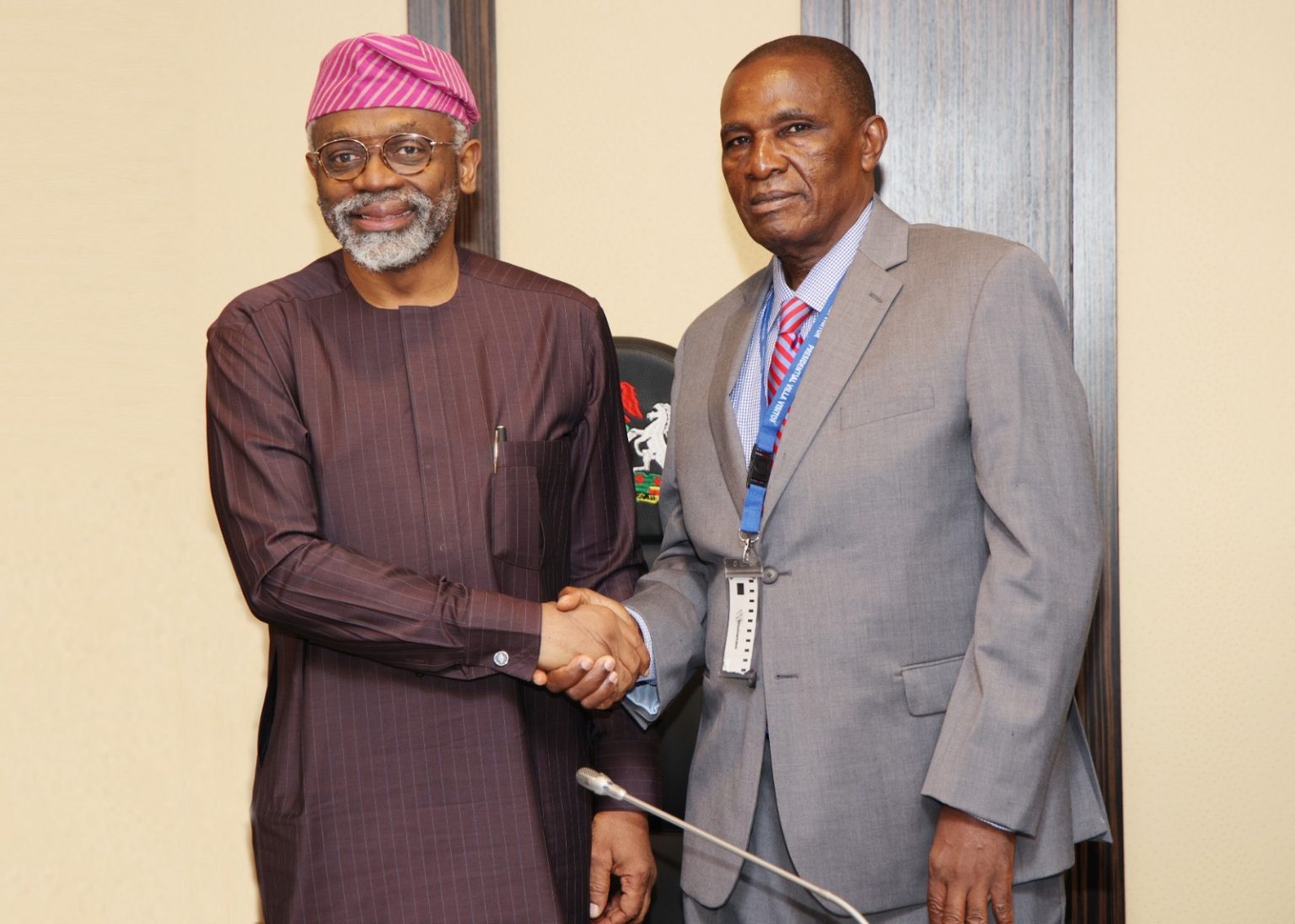
Gbajabiamila gave the assurance on Thursday during a meeting with members of the committee led by its Chairman, Professor Jerry Ugokwe, at the State House, Abuja. He commended the composition of the committee and expressed confidence in its integrity and operational capacity, noting that its designation as a “special committee” reflects the gravity and urgency of its assignment.
According to the Chief of Staff, the rising incidence of social vices among young Nigerians represents a growing national concern that demands coordinated and sustained intervention. While youths are frequently described as the country’s future, he stressed that such rhetoric must be matched with deliberate policy action and institutional support.
He observed that many of the Federal Government’s ongoing economic and structural reforms are forward-looking and deliberately designed to create opportunities for the younger generation. However, he cautioned that without proper moral guidance and value reorientation, the long-term benefits of those reforms could be undermined.
Gbajabiamila emphasised that addressing the challenge requires a whole-of-society approach involving parents, teachers, religious leaders, community actors and relevant public institutions. He noted that the scale of the problem has assumed near-pandemic proportions globally, making it imperative for Nigeria to act decisively.
“It takes a community to raise a child; it’s not just about the parents anymore. It’s about the clergy, your neighbour, the teachers. We all stand in locus parentis for the children,” he said. “We cannot sit back and do nothing and expect this country to grow or develop if we do not start from the foundation.”
He further underscored the intrinsic link between law and morality, describing moral reorientation as foundational to combating cultism, drug abuse, cybercrime and other forms of misconduct prevalent in schools and campuses. According to him, effective enforcement must be complemented by value-driven education and community accountability.
The Chief of Staff also highlighted various youth-focused policies introduced by the present administration and encouraged young Nigerians to take advantage of available opportunities. He urged the committee to adopt innovative strategies and remain adaptive to evolving social realities, drawing from his personal experience of direct student engagement during school visits, which he said had yielded positive feedback.
In a demonstration of personal commitment to the initiative, Gbajabiamila announced a ₦50 million seed donation to support the committee’s activities. The fund, he disclosed, would be disbursed in two tranches, beginning with an initial ₦25 million. He also assured members of sustained access to his office for collaboration and strategic guidance.
Earlier in his remarks, the Chairman of the Committee, Professor Jerry Ugokwe, expressed appreciation for the audience and reiterated that the initiative reflects the Federal Government’s resolve to confront social vices among students through structured presidential intervention.
Professor Ugokwe outlined the committee’s mandate, which includes identifying and addressing social vices in secondary and tertiary institutions, promoting discipline and responsible leadership, and collaborating with institutional authorities and security agencies to combat cultism, drug abuse, examination malpractice, cybercrime and related offences. He added that the committee is tasked with organising sensitisation campaigns and recommending policy measures to strengthen student welfare, campus security and academic excellence.
He disclosed that since its inauguration, the committee has transitioned from policy formulation to field action, holding major engagements in Edo and Kwara States as part of a nationwide mobilisation strategy. The chairman appealed for stronger institutional backing, including approval and logistical support for a proposed grand national launch of the campaign at the State House Conference Hall.
Professor Ugokwe assured the Presidency of the committee’s commitment to transparency, measurable outcomes and sustained stakeholder engagement.
Also speaking at the meeting, the Senior Special Assistant to the President on Student Engagement, Comrade Sunday Asefon, who led members of the committee to the State House, stressed the urgency of the intervention. He cited a recent tragic case of a university student whose death was linked to drug intoxication as a stark reminder of the scale of the challenge.
Asefon explained that the committee was deliberately structured as a multi-stakeholder platform, bringing together education authorities, religious leaders and other critical actors to drive holistic value reorientation among students. He disclosed that following the committee’s inauguration, his office engaged the Federal Ministry of Education, which subsequently made a budgetary provision for the committee in the 2025 fiscal year.
Despite limited resources, he noted that the committee has already conducted programmes in Edo and Kwara States and is preparing for a broader national engagement in Abuja. He therefore called for stronger institutional ownership, emphasising that the committee’s work aligns closely with the administration’s broader youth development and nation-building agenda.
The meeting concluded with renewed commitment from both the Presidency and the committee to intensify efforts aimed at restoring discipline, strengthening moral values and securing a stable future for Nigeria’s young population.