Nigeria has been ranked as having the fourth largest homeless population in the world, with an estimated 4.5 million displaced citizens, highlighting the deepening humanitarian and governance challenges confronting the country. The ranking has reignited debate about Nigeria’s worsening socio economic conditions and what critics describe as the failure of the Bola Tinubu administration to stem the tide of mass displacement.
According to data from World Population Review, shared on social media by Global Statistics (@Globalstats11), Nigeria placed fourth globally, ahead of several countries ravaged by prolonged conflict and political instability. The data ranked Nigeria above Sudan, which has about 2.73 million homeless people, South Sudan with 2.54 million, the Democratic Republic of Congo with 1.5 million, Zimbabwe with 1.2 million, and Cameroon with approximately one million displaced persons.
The figures underscore the scale of Nigeria’s homelessness crisis and raise troubling questions about why Africa’s largest economy continues to trail war torn and fragile states in addressing displacement. Analysts note that Nigeria’s situation is particularly alarming because much of the displacement is driven by long standing internal crises that have defied successive governments.
Nigeria’s homelessness problem is rooted in a complex mix of insecurity, weak governance, environmental degradation, and poor urban planning. Insurgency in the North East, banditry and communal clashes in the North Central region, separatist related violence in the South East, and flooding across several states have collectively forced millions from their homes. Critics argue that the current administration has struggled to implement coherent and sustainable solutions to these overlapping crises.
The Boko Haram insurgency remains one of the most significant drivers of displacement in the country. For more than a decade, violence linked to the extremist group and its splinter factions has devastated communities in Borno, Yobe, and Adamawa states. Entire villages have been razed, livelihoods destroyed, and families separated. As a result, more than three million Nigerians are estimated to be internally displaced in the North East alone.
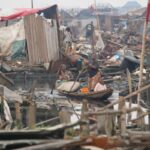
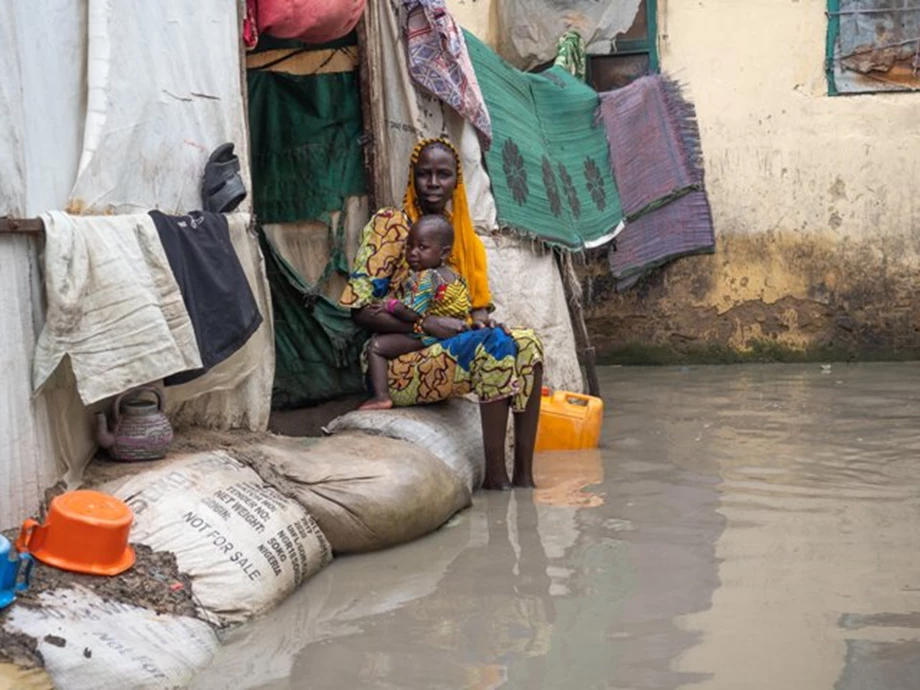
Life for internally displaced persons is often marked by extreme hardship. Many IDPs live in overcrowded camps or informal settlements with limited access to clean water, adequate shelter, and healthcare. Food insecurity is widespread, with many families dependent on inconsistent humanitarian aid. Employment opportunities are scarce, leaving displaced persons trapped in cycles of poverty and dependency.
Children are among the most affected by the displacement crisis. Reports indicate that children account for about 55 percent of Nigeria’s internally displaced population. Many have been forced out of school due to insecurity, poverty, or the destruction of educational facilities. This disruption to education has raised fears of a lost generation, particularly in the North East, where thousands of schools have been damaged or shut down due to conflict.
Beyond insurgency, communal violence and farmer herder clashes in parts of the North Central region have also contributed significantly to homelessness. States such as Benue, Plateau, and Niger have witnessed repeated cycles of violence that have displaced entire communities. Despite repeated promises, long term solutions to these conflicts remain elusive, with displaced families often unable to return home safely.
Environmental factors have further compounded the crisis. Climate change induced flooding has become increasingly severe, particularly in riverine and low lying areas. In recent years, floods have submerged thousands of homes, destroyed farmlands, and displaced millions across states such as Kogi, Anambra, Bayelsa, and Kebbi. Critics argue that poor disaster preparedness, weak urban planning, and inadequate response mechanisms have worsened the impact of these natural disasters.
Urban homelessness is also on the rise, especially in major cities such as Lagos, Abuja, and Port Harcourt. Rapid urbanisation, rising rents, and forced evictions linked to urban renewal projects have pushed many low income residents onto the streets. Human rights groups have accused authorities of carrying out demolitions without adequate notice, compensation, or resettlement plans, further swelling the ranks of the homeless.
Under the Tinubu administration, critics say the response to homelessness and displacement has been largely reactive rather than strategic. While the government has spoken about social protection programmes and economic reforms, there are growing concerns that these initiatives have not translated into tangible relief for displaced populations. Inflation, removal of fuel subsidies, and currency instability have also made survival more difficult for already vulnerable groups.
Advocates warn that unless urgent action is taken, Nigeria’s homelessness crisis will continue to worsen. They are calling for a comprehensive national strategy that prioritises security, climate resilience, affordable housing, and the protection of internally displaced persons. Without sustained political will and accountability, analysts fear that Nigeria’s ranking as one of the countries with the largest homeless populations may not improve anytime soon.
For millions of displaced Nigerians, the statistics reflect a harsh daily reality of uncertainty, deprivation, and lost hope, underscoring the human cost of a crisis that continues to deepen across the country.