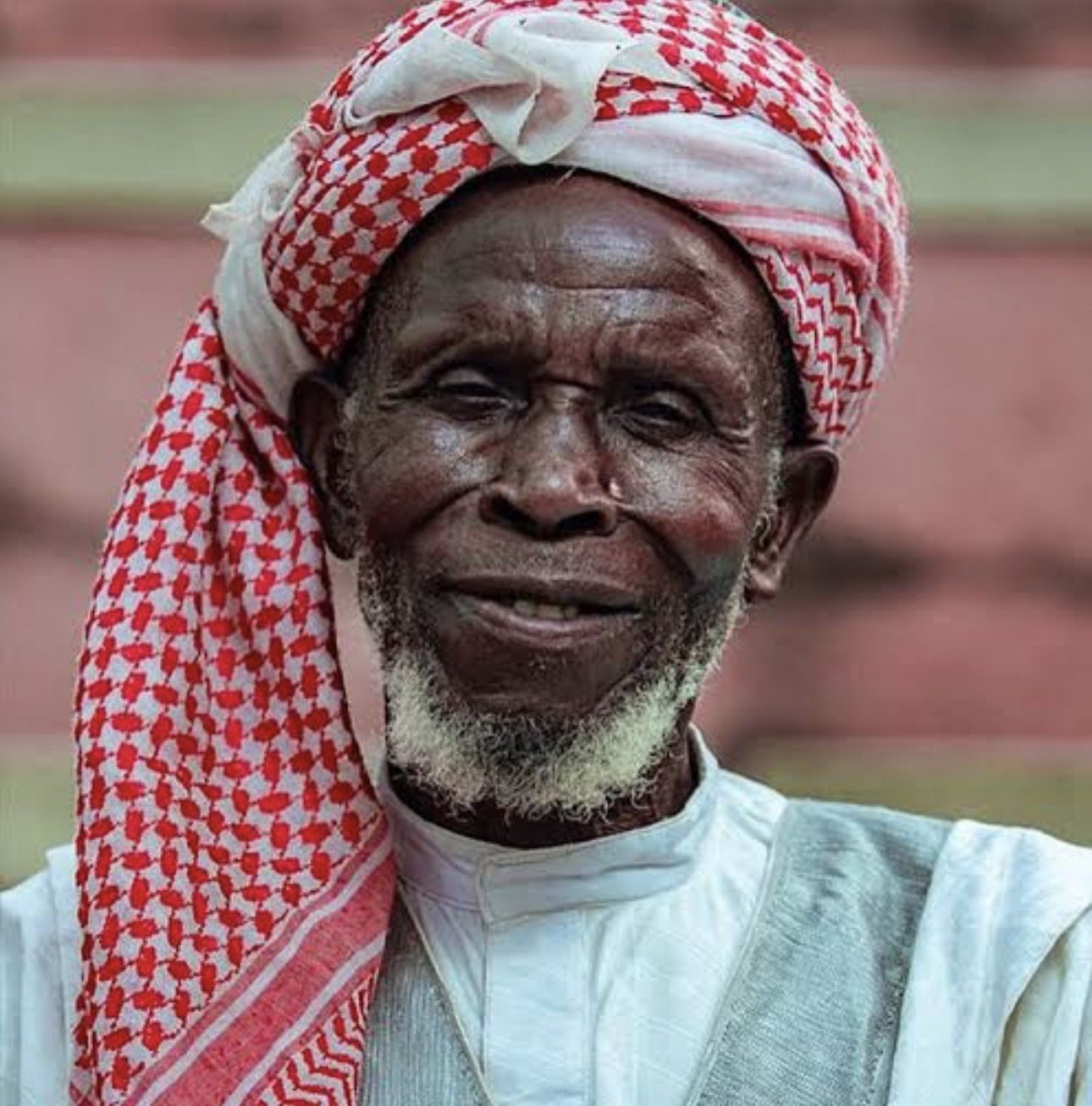
President Bola Ahmed Tinubu has expressed deep sorrow over the death of Imam Abdullahi Abubakar, the Chief Imam of Nghar village in Barkin Ladi Local Government Area of Plateau State, describing him as a courageous servant of God whose life embodied faith, compassion, and an unwavering commitment to the sanctity of human life.
The revered Islamic cleric passed away at the age of 92, drawing tributes from across Nigeria and beyond in recognition of his extraordinary role during one of the darkest periods of communal violence in Plateau State. Imam Abubakar rose to national and international prominence in 2018 after he sheltered more than 200 Christians in his home during violent attacks that claimed numerous lives and displaced entire communities.
In a statement issued on Friday, President Tinubu said the late cleric’s actions during the crisis stood as a powerful reminder of the moral authority of true religious leadership, particularly in moments when society is threatened by division, fear, and hatred.
Related posts:
- President Tinubu Nominates Magnus Abe, 20 Others to Boards of NUPRC and NMDPRA
- Confront Trump or Cut Diplomatic Ties with the US – Sheikh Gumi Tells President Tinubu
- PBAT Media Centre Debunks Claims Linking President Tinubu to Alleged Distribution of Buses for 2027 Campaign
- Atiku Abubakar Sends New Year Message to Nigerians, Laments Hardships and Calls for National Awakening
According to the President, Imam Abubakar’s life and conduct offered a compelling lesson in courage and conscience at a time when ethnic and religious sentiments threatened to overwhelm reason and humanity.
“At such a time when tribal and religious tendencies seemed to overwhelm reason, Imam Abubakar stood firmly on the side of peace, benevolence, and conscience,” Tinubu said.
The President noted that the Imam’s decision to protect vulnerable neighbours, despite the clear and present danger to his own life, reflected the highest ideals of faith and moral responsibility.
“Mindless of the enormous risk to his own life, the noble cleric chose humanity over division, love as opposed to hatred, and embrace rather than rejection,” Tinubu stated.
He described the late Imam as an extraordinary religious leader whose actions went far beyond words and sermons, delivering a timeless message about the true essence of faith.
“His heroic feat underlines the essence of true faith, resonating louder than sermons in a salient message to the world at large,” the President said. “Imam Abubakar is a worthy example of the better human we should all aspire to be.”
Imam Abubakar’s courageous intervention during the 2018 crisis earned him widespread admiration and recognition. At the height of the violence in Barkin Ladi and surrounding communities, he reportedly opened his home and mosque to fleeing Christian families, shielding them from attackers and refusing to surrender them despite threats.
His actions were widely reported by local and international media and drew commendations from humanitarian organisations, religious bodies, and foreign governments. The Imam later received several honours acknowledging his commitment to peace, interfaith harmony, and the protection of human life.
President Tinubu recalled that these recognitions were a testament to the universal appeal of Imam Abubakar’s example, noting that his courage transcended religious, ethnic, and national boundaries.
“His act of uncommon bravery did not go unnoticed, as he received local and international honours that celebrated his commitment to coexistence among people with diverse orientations,” the President said.
The President used the occasion to call on religious and community leaders across the country to emulate the values exemplified by the late cleric, particularly at a time when Nigeria continues to grapple with insecurity, communal tensions, and intolerance.
“I urge religious and community leaders to imbibe and preach the spirit of tolerance, mutual respect, and peaceful togetherness as expounded in the life of Imam Abubakar,” Tinubu said.
He stressed that the late Imam’s life demonstrated that religious leadership must be rooted in compassion, courage, and an unwavering respect for human dignity, rather than rhetoric that fuels division.
According to the President, Nigeria’s diversity should be a source of strength rather than conflict, and the example set by Imam Abubakar offers a pathway toward healing and national cohesion.
Observers have described Imam Abubakar as a rare moral voice whose actions during the Plateau crisis challenged prevailing narratives of religious hostility and demonstrated the possibility of unity even in the face of extreme violence. For many, his legacy stands as a counterpoint to the cycles of reprisal and mistrust that have characterised conflicts in parts of the country.
Community leaders in Plateau State have also paid tribute to the late cleric, recalling him as a humble, principled, and deeply spiritual man who devoted his life to service and peacebuilding. They noted that his influence extended beyond his village, inspiring interfaith dialogue and mutual understanding in a region long affected by communal strife.
The President’s message concluded with prayers for the repose of the Imam’s soul and words of comfort to his family, community, and all those touched by his life and example.
“May the Almighty grant Imam Abubakar eternal rest and reward him for his good deeds and courage,” Tinubu said.
Imam Abdullahi Abubakar’s death marks the end of an era, but his legacy of courage, faith, and humanity continues to resonate across Nigeria and the world. As the nation mourns his passing, many see his life as a reminder that even in times of darkness, individual acts of moral bravery can illuminate the path toward peace and coexistence.
The statement was signed by the Special Adviser to the President on Information and Strategy, Bayo Onanuga, and dated January 16, 2026.