The Israel Defense Forces (IDF) on Wednesday expressed regret over an incident in southern Lebanon in which tank fire struck a United Nations position, injuring Ghanaian peacekeepers. The development has intensified concerns about the safety of international forces operating in the volatile border region between Israel and Lebanon.
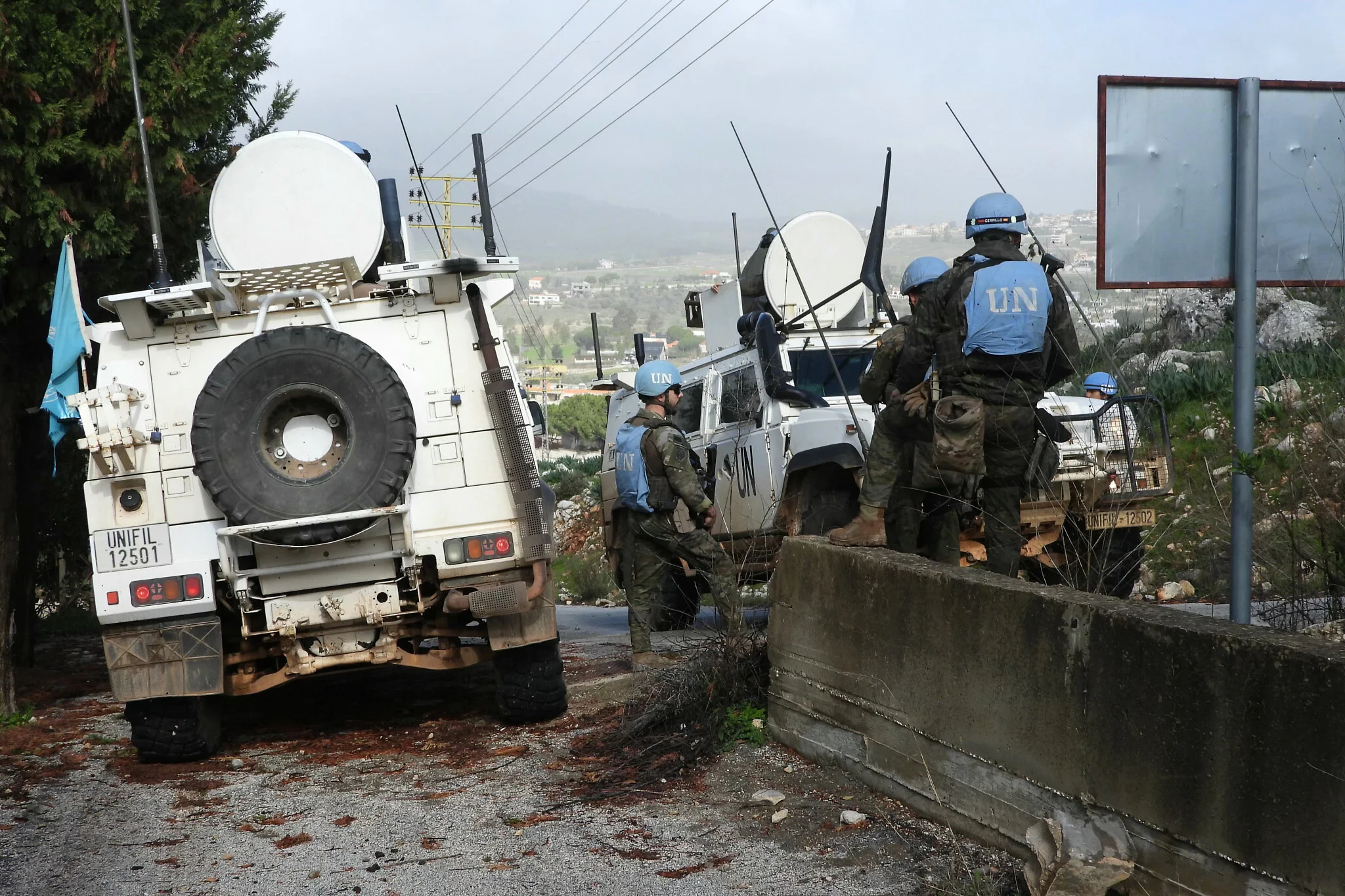
In a statement, the Israeli military acknowledged that its troops mistakenly hit a base operated by the United Nations Interim Force in Lebanon (UNIFIL) during an exchange of fire with Hezbollah fighters earlier this month. The base, located in the village of al-Qawzah, came under repeated tank fire, leaving at least three Ghanaian soldiers wounded, according to preliminary findings from a UN-linked investigation and military sources.
The incident occurred amid escalating tensions in southern Lebanon, where Israeli forces and Hezbollah militants have been engaged in frequent hostilities despite a ceasefire agreement reached last year. The border area has remained highly volatile, with sporadic clashes threatening to spiral into broader confrontation.
According to the IDF, Israeli troops had responded to anti-tank missile fire launched by Hezbollah fighters, which wounded two Israeli soldiers. In the heat of the exchange, the Israeli military said its forces misidentified the source of the incoming fire and mistakenly directed tank shells at the UNIFIL position.
“A comprehensive investigation concluded that the fire that hit UNIFIL personnel was mistakenly carried out,” the IDF said in its statement. The military added that formal apologies had been conveyed to both the Government of Ghana and the United Nations.
UNIFIL, which has been deployed in southern Lebanon since 1978 to monitor hostilities and support stability along the Israel-Lebanon border, had earlier condemned the attack. The peacekeeping mission described the shelling as “unacceptable” and warned that any attack on UN personnel may constitute a violation of international humanitarian law.
Investigators examining the incident found that the strikes were carried out using 120mm tank shells and occurred within a short period of time. The pattern of impact suggested sustained fire rather than a single accidental round, raising further questions about rules of engagement and identification procedures during active combat situations.
The wounding of the Ghanaian peacekeepers has drawn attention to the growing dangers faced by UN personnel stationed in conflict zones. UNIFIL troops are tasked with observing ceasefire compliance, liaising between Israeli and Lebanese forces, and helping to prevent escalation. However, the intensifying clashes between Israeli forces and Hezbollah have placed peacekeepers increasingly at risk.
This latest incident is not isolated. In recent months, UN positions in the region have reported near-misses, stray fire, and operational disruptions as fighting has flared along the border. The renewed hostilities have also displaced civilians on both sides and heightened fears of a broader regional conflict.
UN officials confirmed that the injured Ghanaian soldiers received medical treatment and are in stable condition. The mission reiterated its call for all parties to respect the neutrality and protected status of UN peacekeepers. “The safety and security of UN personnel must be guaranteed at all times,” UNIFIL officials stressed, urging restraint and adherence to international law.
The Israeli military maintained that it takes such incidents seriously and is reviewing operational protocols to prevent a recurrence. Military analysts note that urban and semi-urban combat environments, combined with the use of anti-tank weapons and rapid exchanges of fire, can create chaotic conditions in which misidentification becomes more likely. Nonetheless, critics argue that strict verification procedures must be upheld, particularly in areas known to host international peacekeepers.
The Lebanese government has not yet issued a detailed statement on the specific incident but has previously condemned Israeli military operations within Lebanese territory. Hezbollah, for its part, continues to frame its actions as resistance against Israeli incursions.
Diplomatic observers warn that repeated incidents involving international forces could undermine the credibility and effectiveness of peacekeeping operations in southern Lebanon. The UN Security Council, which mandates UNIFIL’s deployment, has repeatedly emphasized the importance of maintaining calm along the Blue Line — the demarcation line between Israel and Lebanon.
As investigations continue, UNIFIL officials have pledged to work closely with both Israeli and Lebanese authorities to clarify the circumstances surrounding the attack. They have also renewed calls for de-escalation and the full implementation of existing ceasefire arrangements.
The episode underscores the fragile security environment in southern Lebanon, where even a momentary miscalculation can have far-reaching diplomatic and humanitarian consequences. With tensions showing little sign of easing, the protection of peacekeepers remains a pressing concern for the international community.