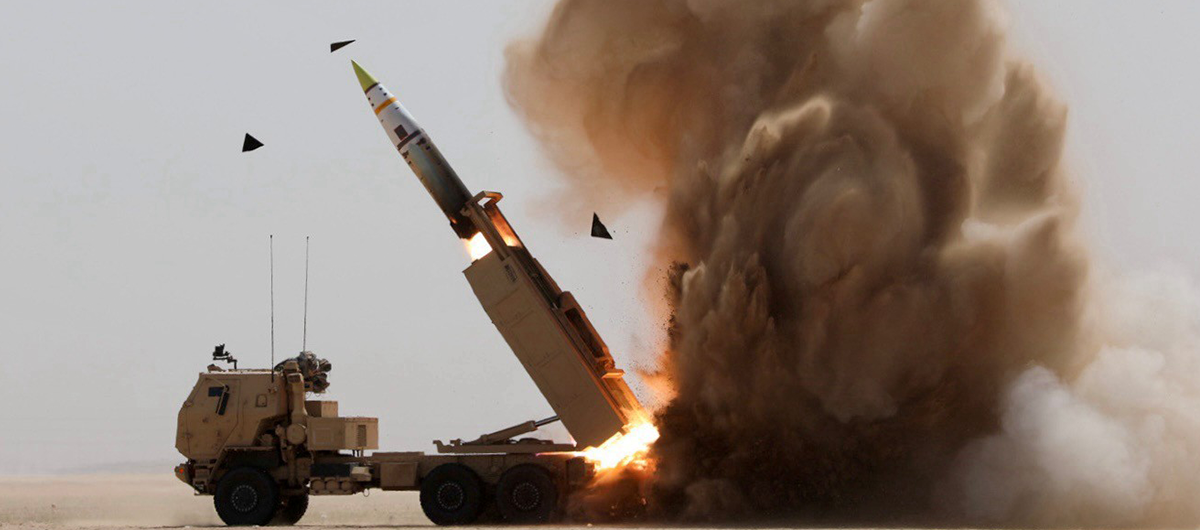
An Iranian missile has struck the Al Minhad Air Base, a strategic military installation hosting forces from the United States, the United Kingdom and Australia, marking a significant escalation in the rapidly intensifying conflict across the Gulf region.
The strike reportedly landed on a roadway just outside the perimeter of the base, sparking a small fire and causing limited structural damage near an accommodation block and a medical facility. Military authorities confirmed that there were no casualties, although explosions were heard in the surrounding area, sending shockwaves through the region and raising fears of a broader confrontation.
Al Minhad Air Base, located in the United Arab Emirates, serves as a vital transit and logistics hub for Western military operations in the Middle East. The facility has long played a critical role in supporting coalition missions, including air operations, troop deployments, and humanitarian activities. The reported strike on or near such a high-profile installation has heightened concerns about the potential expansion of hostilities.
Australian Prime Minister Anthony Albanese addressed the incident, confirming that a projectile had impacted near the base. He described the broader pattern of attacks as destabilising and unpredictable. “The Iranian regime is engaging in random attacks right across the region. We know that is the case,” Albanese said, noting that authorities were still determining whether the base itself had been the intended target.
Australia’s Department of Defence issued a statement emphasising that the immediate priority was ensuring the safety and security of personnel stationed at the base. “Defence’s focus is on ensuring the safety and security of our people and we will continue to revise force protection measures as the situation in the Middle East evolves,” the statement read.
The missile strike is part of a wider wave of attacks and attempted strikes reported across multiple Gulf states. Saudi Arabia, Kuwait, Bahrain, Qatar and the United Arab Emirates have all been placed on heightened alert amid growing security threats. In Dubai, missile warning systems were activated late into the night, and residents reported hearing loud explosions as interceptor systems engaged incoming projectiles.
Saudi authorities confirmed that their air defence systems intercepted a ballistic missile targeting the Prince Sultan Air Base, a facility known to host United States military forces. Additionally, Saudi officials said a drone aimed at Riyadh’s diplomatic quarter — an area housing numerous foreign embassies, including that of the United States — was successfully neutralised before it could cause damage.
These developments come against the backdrop of intensifying hostilities involving Iran, the United States and Israel. Tehran has increasingly targeted military installations and critical infrastructure across neighbouring states, accusing Western powers of aggression and interference in regional affairs. The conflict has taken on a broader geopolitical dimension, drawing in multiple actors and threatening to destabilise an already volatile region.
In addition to military strikes, Iran has asserted greater control over the Strait of Hormuz, one of the world’s most strategically significant maritime chokepoints. Approximately one-fifth of global oil supplies transit through this narrow waterway, making it vital to global energy security. Iranian officials have indicated that while the strait remains technically open, access for the United States and allied nations is being restricted.
This development has amplified concerns within international energy markets. Even the perception of potential disruption in the Strait of Hormuz can trigger significant price volatility, and recent events have done exactly that. Oil prices have surged sharply, reflecting investor fears of supply interruptions and escalating conflict.
Energy analysts warn that continued instability in the Gulf could lead to prolonged price increases, with ripple effects across global economies. Higher oil prices typically translate into increased transportation and production costs, which can, in turn, drive up consumer prices worldwide. Supply chain disruptions, particularly for energy-dependent industries, are also a growing concern.
Major multinational energy firms operating in the region have reportedly begun reassessing their security protocols and, in some cases, scaling back operations. Some companies are evacuating non-essential staff or delaying planned projects until the security situation stabilises.
The broader geopolitical implications of the strike on Al Minhad Air Base are significant. While there were no casualties, the targeting of a facility hosting Western forces sends a strong signal about the potential reach and intent of Iranian military actions. It also raises the possibility of retaliatory measures by affected nations, further deepening the cycle of escalation.
Regional governments are now grappling with how to balance deterrence with de-escalation. Diplomatic channels remain open, but rhetoric on all sides has grown increasingly sharp. Military analysts caution that miscalculation or accidental escalation could rapidly transform the current crisis into a larger regional war.
As tensions continue to mount, the international community is closely monitoring developments. The United Nations and several global powers have called for restraint and renewed diplomatic engagement to prevent further deterioration of the security environment.
For now, Al Minhad Air Base remains operational, albeit under tightened security conditions. Force protection measures have been reinforced, and allied militaries are reviewing contingency plans in anticipation of potential further attacks.
The missile strike underscores the fragility of stability in the Gulf and highlights the far-reaching consequences of the ongoing confrontation between Iran and its adversaries. With military, economic and diplomatic stakes all rising, the coming days will be critical in determining whether the region moves toward de-escalation or slips deeper into conflict.