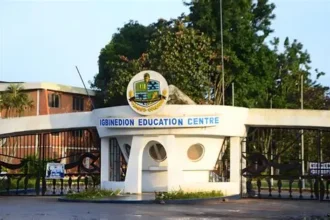
The Federal Government has announced the reopening of all 47 Federal Unity Colleges across the country following their temporary closure due to escalating insecurity in several parts of Nigeria. The schools, which were shut in November 2025, had suspended academic activities amid growing concerns over mass abductions of schoolchildren and violent attacks, particularly in the North West, North East and North Central regions, as well as isolated incidents in some southern states.
The decision to reopen the schools was made public on Thursday, December 18, in a statement issued by the Federal Ministry of Education and signed by its Director of Press and Public Relations, Boriowo Folasade. The ministry said the move followed extensive consultations and sustained engagement with security agencies at the federal and state levels, aimed at strengthening safety arrangements around the unity colleges.
According to the statement, the Federal Government remains firmly committed to ensuring the safety, welfare and uninterrupted education of students enrolled in the unity school system. It stressed that the reopening was carefully considered and based on updated security assessments and assurances from relevant agencies tasked with protecting lives and property.
Related posts:
- Kaduna Governor Calls for Unity, Peaceful Coexistence at 2025 Unity Christmas Carol
- NUT Threatens Nationwide Strike as Terror Attacks on Schools Intensify in Kebbi and Niger
- Poor Water, Sanitation Facilities Undermine Learning in Oyo Public Primary Schools – Study
- Rap mogul Sean “Diddy” Combs sentenced to 50 months in prison in high-profile prostitution case
“The Federal Government has reaffirmed its responsibility to protect every Nigerian child and to uphold their constitutional right to education in a secure setting,” the statement read. “The decision to reopen the Unity Colleges reflects the administration’s determination to ensure that no child is denied access to education due to security concerns.”
Unity schools, officially known as Federal Government Colleges, were established to promote national integration by admitting students from different ethnic, religious and geographical backgrounds. Over the years, however, several of these schools have been affected by insecurity, including attacks by bandits and insurgents, which have heightened fears among parents and guardians.
The closure of the 47 colleges in November followed a renewed wave of school attacks and kidnappings that raised nationwide alarm and reignited debates about the safety of boarding schools, particularly in vulnerable regions. The government’s decision at the time was described as a precautionary measure to safeguard students while comprehensive security reviews were undertaken.
In its latest statement, the Ministry of Education acknowledged that the shutdown had disrupted academic calendars and posed challenges for students, teachers and parents. However, it said prolonged closure was not a sustainable option, given the critical role of education in national development and social stability.
Many of the affected students are currently concluding their December academic programmes, while others have already completed their examinations prior to the closure. The ministry noted that reopening the schools would allow for the smooth completion of outstanding academic activities and prevent further learning losses.
“Education remains central to the administration’s human capital development agenda and a key driver of national growth,” the statement said, adding that every effort was being made to balance security imperatives with the need to keep children in school.
The Federal Government also assured parents and guardians that enhanced security measures had been put in place to protect students and staff upon resumption. Although specific details of these measures were not fully disclosed for security reasons, the ministry said they include closer coordination with the military, police and other security agencies, as well as improved surveillance and rapid response mechanisms around school premises.
The reopening of the unity colleges comes amid broader national efforts to address insecurity and restore confidence in public institutions. President Bola Tinubu’s administration has repeatedly pledged to tackle kidnapping, banditry and insurgency, describing the protection of schools as a top priority.
Education stakeholders have offered mixed reactions to the announcement. While many welcomed the decision as a necessary step to prevent further disruption to learning, others urged the government to ensure that safety assurances translate into concrete action on the ground.
Some parents expressed cautious optimism, noting that prolonged school closures have negative consequences for children’s academic progress and emotional well-being. Others, however, called for continued vigilance and transparency from authorities, stressing that confidence would only be fully restored when incidents of school attacks are decisively curtailed.
Teachers’ unions and school administrators have also appealed for sustained investment in school security infrastructure, including perimeter fencing, lighting, secure dormitories and trained personnel. They argued that reopening schools must go hand in hand with long-term strategies to make educational institutions less vulnerable to attacks.
In recent years, Nigeria has recorded several high-profile abductions of students from boarding schools, incidents that have drawn international condemnation and prompted calls for stronger protective measures. These attacks have not only endangered lives but also threatened access to education, particularly for children in conflict-prone areas.
The Federal Government said it is determined to break this cycle and ensure that insecurity does not continue to undermine the education sector. It reiterated its commitment to working with state governments, traditional institutions and local communities to improve intelligence gathering and early warning systems around schools.
“The safety of our children is non-negotiable,” the ministry stated, adding that the government would continue to review and strengthen security arrangements as conditions evolve.
As the unity colleges resume activities, the Ministry of Education urged parents, students and staff to cooperate with school authorities and security personnel, and to promptly report any suspicious movements or threats. It also called on communities hosting the schools to support security efforts and protect educational facilities within their areas.
The reopening of the 47 unity colleges marks a significant step in the government’s effort to normalise academic activities amid persistent security challenges. While concerns remain, authorities insist that shutting schools indefinitely is not an option, and that safeguarding education must go hand in hand with restoring peace and stability across the country.
With students gradually returning to their campuses, the coming weeks are expected to test the effectiveness of the new security measures and the government’s resolve to protect learners. For many families, the hope is that the resumption of classes signals not just a return to normalcy, but a renewed commitment to ensuring that every Nigerian child can learn without fear.