FG Approves ₦1.8 Million Annual Allowance for Professors, ₦870,000 for Readers
The Federal Government has approved new annual allowances for senior academic staff in Nigerian universities, granting full time professors an additional ₦1.8 million per annum and full time readers an annual allowance of ₦870,000. The approval represents a significant development in the ongoing efforts to address staff welfare and stabilise the nation’s public university system.
The allowance, officially described as a Professorial Cadre Allowance, applies strictly to academics within the professorial and readership ranks. It is designed as a targeted welfare intervention aimed at recognising the responsibilities, experience, and academic leadership roles associated with senior academic positions in Nigerian universities.
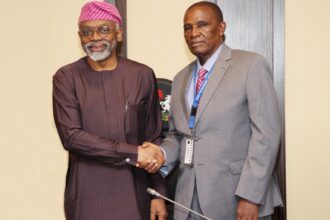
The Minister of Education, Dr Tunji Alausa, announced the approval on Wednesday in Abuja during the formal presentation of the renegotiated agreement between the Federal Government and the Academic Staff Union of Universities (ASUU). The event marked another milestone in the long running engagement between both parties, which has often been characterised by industrial disputes, strikes, and prolonged negotiations over funding, salaries, and working conditions in public universities.
According to the Minister, the new allowance is part of a broader framework to improve the welfare of lecturers, enhance morale, and strengthen academic productivity in Nigerian universities. He stated that the decision followed extensive consultations with ASUU and other stakeholders in the education sector, as the government seeks to build trust and ensure a more stable academic calendar.
Dr Alausa explained that the professorial cadre allowance acknowledges the strategic role senior academics play in research, mentorship, curriculum development, and global academic engagement. He noted that professors and readers shoulder a disproportionate share of academic leadership responsibilities, including postgraduate supervision, research coordination, faculty administration, and international collaboration, often without commensurate incentives.
The Federal Government stressed that the allowance is not a replacement for existing salary structures but an additional annual benefit intended to complement ongoing reforms in university funding and staff welfare. Officials said it aligns with government efforts to reposition the education sector as a driver of national development, innovation, and competitiveness.
ASUU has long argued that poor remuneration and inadequate welfare packages have contributed to declining morale, brain drain, and reduced research output within Nigerian universities. Over the years, many senior academics have left the country for better opportunities abroad, citing unfavourable working conditions, poor infrastructure, and uncompetitive compensation.
Education sector analysts view the new allowance as a partial but important step toward addressing these concerns. They note that while the amounts may not fully bridge the gap between Nigerian academics and their counterparts in other countries, the move signals renewed willingness by the government to engage constructively with university unions.
The announcement comes against the backdrop of repeated industrial actions by ASUU, which have disrupted academic calendars and drawn public attention to systemic challenges in Nigeria’s higher education system. Issues frequently raised by the union include underfunding of universities, delayed implementation of agreements, unpaid earned allowances, and deteriorating teaching and research facilities.
By introducing a specific allowance for professors and readers, the government appears to be adopting a more targeted approach to staff welfare, focusing on retaining senior academic talent and strengthening institutional leadership within universities. Officials say this strategy is essential for improving research capacity, postgraduate training, and international rankings of Nigerian institutions.
The Ministry of Education also emphasised that the renegotiated agreement with ASUU includes other non monetary commitments, such as improved dialogue mechanisms, timelines for addressing outstanding obligations, and renewed focus on revitalising university infrastructure. While details of the full agreement were not immediately disclosed, the professorial cadre allowance is seen as one of its most tangible outcomes.
Stakeholders in the education sector have welcomed the development, describing it as a positive signal after years of strained relations between the government and university lecturers. Some academics, however, have urged the Federal Government to ensure timely and transparent implementation, noting that past agreements have often suffered delays or partial execution.
Student groups and parents have also reacted cautiously, expressing hope that improved staff welfare will translate into fewer strikes, more stable academic calendars, and improved quality of instruction. Prolonged disruptions in the university system have had far reaching consequences, including extended graduation timelines, increased financial burden on families, and diminished confidence in public universities.
Policy experts argue that sustainable reform of the university system requires consistent funding, autonomy for institutions, and long term planning beyond allowances. They note that while welfare improvements are necessary, they must be accompanied by investments in laboratories, libraries, digital infrastructure, and research grants to achieve meaningful transformation.
In his remarks, Dr Alausa reiterated the Federal Government’s commitment to continuous engagement with ASUU and other education sector unions. He stated that dialogue, rather than confrontation, remains the preferred approach for resolving disputes and advancing reforms in the sector.
“The welfare of our lecturers is central to the future of our education system,” the Minister said. “This allowance is part of a broader commitment to ensuring that our universities are staffed by motivated, well supported professionals who can deliver quality teaching and research.”
The approval of the professorial cadre allowance also reflects growing recognition of the role universities play in national development. As Nigeria grapples with economic diversification, technological advancement, and human capital development, the quality and stability of its higher education system remain critical.
For many observers, the announcement represents a cautiously optimistic moment in the long standing relationship between the Federal Government and ASUU. While challenges remain, the introduction of a dedicated allowance for senior academics suggests a shift toward more deliberate and responsive policymaking in the education sector.
As implementation begins, attention will now turn to whether the new allowance is paid consistently and whether it helps ease long standing tensions within the university system. For professors and readers across the country, the approval offers not only financial relief but also symbolic recognition of their contributions to Nigeria’s intellectual and developmental aspirations.