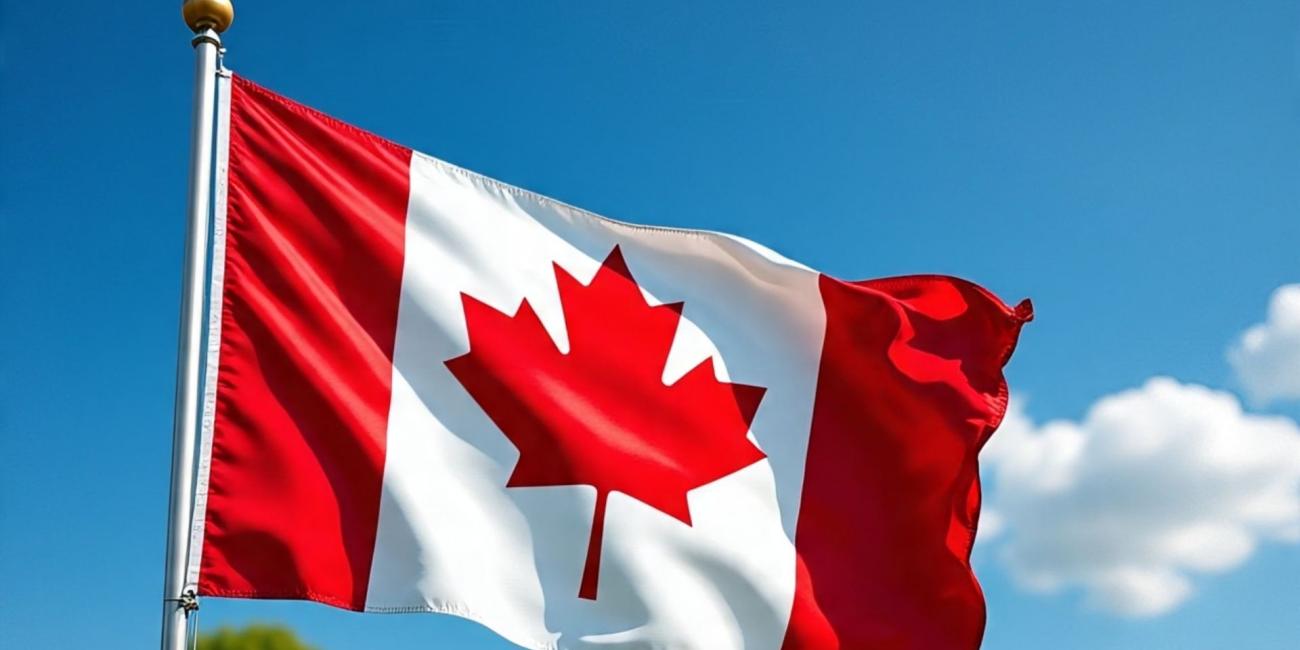
Canadian Prime Minister Mark Carney has publicly rebuked the United States and Israel over their recent military strikes on Iran, warning that the escalating confrontation endangers civilian lives and risks eroding the foundations of international law.
In a strongly worded statement delivered via video and shared on social media platform X by commentator Brian Allen, Carney expressed concern that Washington and Tel Aviv undertook the military action without sufficient consultation with allies or engagement with multilateral institutions, including the United Nations.
“The United States and Israel acted without engaging the United Nations or consulting allies — including Canada,” Carney said, underscoring Ottawa’s dissatisfaction with the diplomatic process preceding the strikes.
He raised alarm over what he described as the rapidly expanding scope of the conflict and the mounting humanitarian risks. “So where do we go from here with the rapidly spreading conflict and growing threats to civilian lives?” the prime minister asked, framing the situation as one requiring urgent international attention.
Carney’s remarks centred on the principle that international humanitarian law must apply equally to all parties engaged in hostilities. “Canada reaffirms that international law binds all belligerents,” he stated, signalling that Ottawa views adherence to established legal norms as non-negotiable, regardless of geopolitical alliances.
While his comments included criticism of U.S. and Israeli actions, Carney also condemned Iranian strikes targeting civilian populations and infrastructure across the Middle East. He stressed that the protection of non-combatants remains a core tenet of global legal frameworks governing armed conflict.
“We implore all parties, including the United States and Israel, to respect the rules of international engagement,” he said, broadening his call for restraint beyond a single side of the conflict.
Carney further called for an immediate reduction in hostilities and offered Canada’s support in diplomatic efforts aimed at restoring stability. “Canada calls for rapid de-escalation of hostilities and is prepared to assist to achieve this goal,” he added.
The prime minister’s comments represent a notable and relatively rare public rebuke from a North Atlantic Treaty Organization (NATO) member directed at two key Western allies during an active military confrontation.
Canada has traditionally maintained close diplomatic and security ties with both Washington and Tel Aviv. However, Carney’s intervention suggests growing unease within allied circles over both the procedural and legal dimensions of the strikes.
The conflict, which Tehran has described as unprovoked aggression, has intensified tensions across the Middle East. Retaliatory missile and drone exchanges have been reported, heightening fears that the confrontation could escalate into a broader regional war involving additional state and non-state actors.
Carney’s statement comes amid mounting debate within Western capitals regarding the legal basis and strategic calculus underpinning the military action. In the United States, several lawmakers have publicly questioned whether the strikes complied with domestic and international legal standards, including congressional authorisation and established rules of engagement.
Some American legislators have also sought clarity on the intelligence assessments that informed the operation, warning against entanglement in another prolonged Middle Eastern conflict.
Within NATO, diplomats are said to be engaged in quiet discussions over the implications of the strikes for collective security arrangements and alliance cohesion. Questions have reportedly arisen regarding whether proper consultation mechanisms were followed prior to the launch of hostilities.
Canada’s position aligns it with a growing number of Western political figures who have voiced concern over the pace of escalation and the humanitarian toll of continued military exchanges.
Ottawa’s emphasis on de-escalation reflects apprehension about both immediate humanitarian consequences and longer-term geopolitical risks. Sustained hostilities could displace civilian populations, disrupt critical infrastructure, and destabilise fragile regional balances.
Carney’s reference to “growing threats to civilian lives” underscores concerns that the conflict may expand beyond military targets, particularly if retaliatory strikes broaden in scope or intensity.
From a strategic standpoint, analysts warn that prolonged confrontation between Iran and the U.S.-Israel alliance could reshape power dynamics in the Middle East, drawing in neighbouring states and exacerbating sectarian or proxy conflicts.
The Canadian leader’s intervention highlights emerging divergences among Western allies over strategy and legality. While some governments have expressed support for the strikes as a necessary response to perceived security threats, others have adopted more cautious tones, emphasising diplomatic solutions and adherence to multilateral norms.
These differences reflect broader debates about the role of international institutions, the limits of unilateral military action, and the balance between deterrence and escalation.
As retaliatory actions continue and diplomatic channels remain under strain, Canada’s call for rapid de-escalation positions it as an advocate for renewed dialogue within the international community.
With tensions continuing to rise and the risk of miscalculation ever-present, Carney’s statement signals Ottawa’s desire to prevent further deterioration of regional stability. By reiterating the binding nature of international law and urging restraint from all sides, Canada has inserted itself into the evolving diplomatic landscape surrounding the conflict.
Whether these calls will influence the trajectory of events remains uncertain. However, the prime minister’s public stance underscores the seriousness with which Canada views the unfolding crisis — and the potential global ramifications should the conflict deepen.
As the international community grapples with the consequences of the strikes, Canada’s appeal for de-escalation adds to the chorus of voices urging caution, accountability, and renewed commitment to lawful conduct in armed conflict.