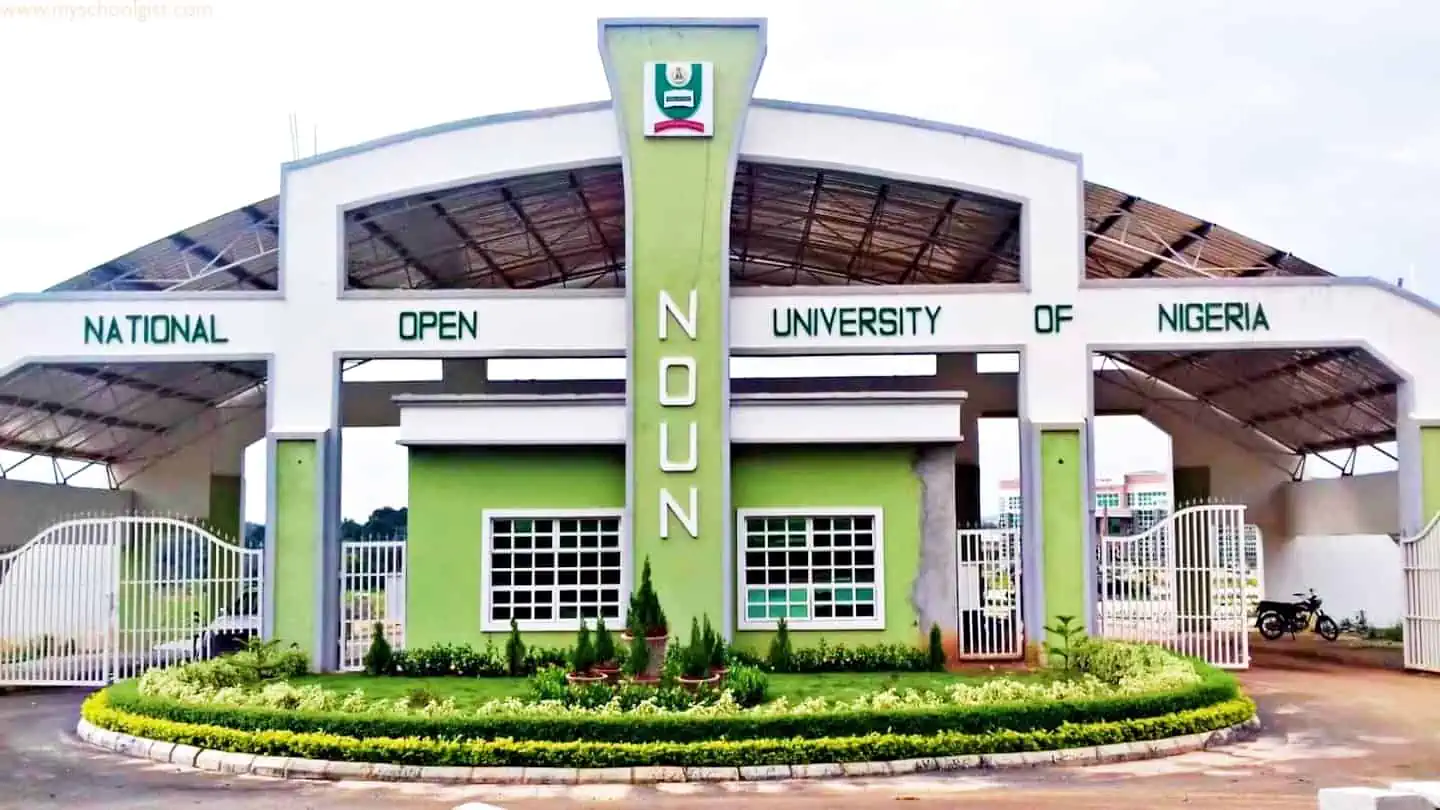
Six inmates at the Kuje Medium Security Correctional Centre in Abuja have earned university degrees through the National Open University of Nigeria (NOUN), marking a significant milestone in prison education and rehabilitation efforts in the country.
The achievement was disclosed by the Controller General of the Nigeria Correctional Service (NCoS), Sylvester Nwakuche, who described the development as clear evidence that education remains a powerful tool for reform, personal development and successful reintegration of inmates into society. The accomplishment, he said, underscores the service’s commitment to transforming correctional centres into institutions of correction rather than mere punishment.
According to a report by The Cable, the inmates completed their academic programmes while still serving their sentences, demonstrating resilience, discipline and a willingness to embrace self improvement despite the constraints of incarceration.
Related posts:
- Peter Obi Pays NECO Fees for 148 Anambra Inmates, Donates ₦15m to Nursing College in Onitsha
- University of Nigeria, NYSC disown credentials paraded by Minister of Technology, Uche Nnaji
- ABU Zaria denies allegations of involvement in nuclear weapons development
- Nigeria: From Giant of Africa to Disgraced Country trends on X after Donald Trump’s Declaration
Providing details of the academic accomplishments, NCoS spokesperson Samson Duza said two of the inmates obtained master’s degrees in peace studies and conflict resolution. The remaining four earned bachelor’s degrees in peace studies and conflict resolution, political science, criminology, and security studies.
Represented at the graduation ceremony by the Deputy Controller General in charge of Training and Staff Development, Amos Kupan, Nwakuche stressed that imprisonment should not mark the end of personal growth or intellectual development. He noted that the Nigeria Correctional Service has continued to prioritise educational and vocational programmes as part of its broader reform agenda.
“Incarceration should not extinguish the desire to learn or improve oneself,” Nwakuche said. “These graduates have shown that with the right opportunities, inmates can acquire knowledge and skills that prepare them for productive lives after release.”
He added that education remains central to the service’s rehabilitation strategy, as it equips inmates with critical thinking skills, fosters self confidence and reduces the likelihood of reoffending.
The Controller of Corrections for the Federal Capital Territory Command, Christopher Jen, also congratulated the graduates, describing their achievement as inspiring and commendable. He urged them to see their academic qualifications as instruments for positive transformation, both for themselves and their communities.
“Your success today should motivate you to become ambassadors of change,” Jen said. “Use the knowledge you have acquired to contribute meaningfully to society and to prove that correction and rehabilitation are possible.”
The National Open University of Nigeria reaffirmed its commitment to prison education through its Special Study Centre programme. Francis Enobore, Director of the NOUN Special Study Centre, described the partnership between the university and the Nigeria Correctional Service as a pathway of hope for inmates.
He noted that the collaboration has provided thousands of incarcerated persons with access to quality higher education over the years. According to him, learning not only builds intellectual capacity but also restores dignity, purpose and a sense of belonging.
“Education gives inmates a second chance to redefine their future,” Enobore said. “When people learn, they regain confidence in themselves and rediscover their worth, which is critical for successful reintegration.”
Speaking on behalf of the graduating inmates, Abba Kyari expressed gratitude to both the Nigeria Correctional Service and the National Open University of Nigeria for creating an enabling environment for learning. He said the opportunity to pursue higher education while in custody renewed their sense of direction and hope.
“For many of us, this opportunity has changed our outlook on life,” Kyari said. “It has shown us that our past mistakes do not have to define our future.”
The graduation ceremony also featured counselling and orientation sessions focused on post release reintegration, skills development and community engagement. Experts engaged the inmates on how to apply their academic knowledge, manage societal stigma and build lawful livelihoods upon release.
The graduates pledged to use their education to contribute positively to society, promote peace and uphold the values of responsible citizenship.
The success of the Kuje inmates has been widely praised by correctional authorities and education advocates, who see it as a model for strengthening rehabilitation through learning. Observers say the development reinforces the growing shift in Nigeria’s correctional philosophy towards reformative justice, in line with global best practices.
With programmes like the NOUN study centres, the Nigeria Correctional Service continues to demonstrate that prisons can serve as centres of transformation, offering inmates a genuine chance at redemption and productive reintegration into society.